
Defense and Security
Backlash Trails Obi’s Proposed Approach to Address Banditry Crisis

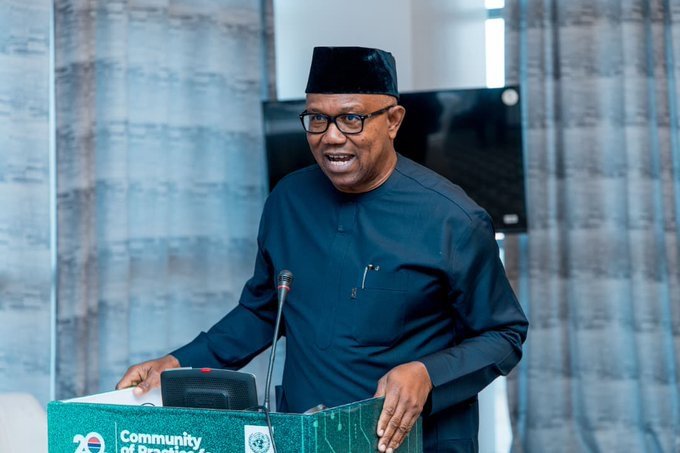
Former Anambra State governor and Nigeria Democratic Congress (NDC) presidential candidate for the 2027 election, Peter Obi, has outlined a dual-track approach to addressing Nigeria’s persistent banditry crisis, advocating negotiations with armed groups willing to embrace peace while deploying mi⁰èlitary force against those who refuse.
Speaking during an interview with media personality Rufai Oseni on the BlackBox programme, Obi said his administration would pursue dialogue as part of a broader strategy to restore peace and national cohesion, while maintaining a firm security response against unrepentant criminal elements.
According to Obi, sustainable peace requires creating opportunities for reconciliation and ensuring that no section of the country feels excluded or marginalized. He argued that addressing the root causes of insecurity is essential to achieving long-term stability.
Drawing from observations made during a recent visit to the United States, Obi emphasized the importance of providing pathways for rehabilitation and reintegration for individuals willing to abandon criminal activities, describing such measures as critical to national healing and unity.
The comments have generated widespread reactions across social media and political circles. Supporters praised the proposal as a pragmatic blend of diplomacy and security enforcement, arguing that a military-only approach has failed to end years of violence in affected regions.
Critics, however, questioned the viability of negotiating with armed groups responsible for widespread killings, kidnappings, and displacement, warning that such a policy could embolden criminal networks and undermine justice for victims.
Nigeria’s North-West region has remained a hotspot for bandit attacks for more than a decade, with thousands of lives lost and communities repeatedly targeted by armed gangs engaged in kidnapping, cattle rustling, and other violent crimes.


Blackout: Police Storm BEDC HQ in Benin, Arrest NUEE Officials Over Strike

NUJ Urges Delta Govt To Sustain Uduaghan’s Legacies As Oborevwori, Okowa Visit Widow

2027: ‘Rig And Die’ — Omo-Agege Warns Against Vote Manipulation In Delta

Delta Govt Approves N4bn Empowerment For 15,000 Indigents

Army Deploys 600 Soldiers to India for Jungle, Mountain Warfare Training

2027: Court Fixes Nov. 24 For Judgment On Suit Challenging Omo-Agege’s NDC Ticket

11 Years After, Grant Ecosystem Group Writes Tinubu Over Outstanding Grant Payments

Okowa: Delta’s Mass Defection To APC Must Reflect In 2027 Votes

2027: Take Tinubu’s Reforms To Market Women, Youths — Oborevwori Tells Delta APC

You Can’t Retire The Man Who Made You Senator – Group Blasts Dafinone Over Wizards Comment

Veteran Nollywood Actor Francis Duru Is Dead At 57

Ebola: FG Warns 15 States to Fast-Track Preparedness as Hospitals Ready Isolation Beds

FCT Police Arrest Suspect in Lexus SUV With Fake ‘PRESIDENCY’ Number Plate in Abuja

Okowa Pays Condolence Visit To Uduaghan Family, Says Death Deeply Felt

DOPF 2026 Lecture: Oborevwori, Okubor, Dafinone Demand Credible Elections Ahead Of 2027