
FEATURED
2023: How Peter Obi, Osinbajo Emerge Top Nigeria’s Presidential Contenders Beating Tinubu, Atiku, Wike, Saraki Others


Details have emerged on how Vice President Yemi Osinbajo and 2023 presidential aspirant under the All Progressives Congress (APC) and Peter Obi, former Governor of Anambra and presidential aspirant under the People’s Democratic Party, (PDP) emerged as the most preferred presidential aspirants in the upcoming Nigeria general elections scheduled for February 2023.
This result is drawn from a survey conducted by Nextier, a multi-competency advisory firm, and Data-Tier, a data analytics and digital communications firm. The survey aimed to gauge Nigerians’ preferences for a presidential candidate, understand the challenges they would like the next government to address promptly, and decipher how ethnic and gender biases would inform the next election.
Judged across all 467 responses, the most preferred candidate for president were Peter Obi (46 percent), Yemi Osinbajo (28 percent), Bola Tinubu (7.5 percent) and Atiku Abubakar (3 percent). The most preferred candidates for the vice presidency were Aminu Tambuwal (28 percent), Musa Kwankwaso (19 percent), Peter Obi (16 percent), Bukola Saraki (6.9 percent), Nyesom Wike (6.4 percent) and Yemi Osinbajo (5.8 percent).
Assessing the responses from a geopolitical dimension, the presidential preference for respondents from southern Nigeria were Peter Obi (51.2 percent) and Yemi Osinbajo (26.6 percent). For the position of Vice President, these same respondents preferred Aminu Tambuwal (30.2 percent), Peter Obi (16.6 percent) and Musa Kwankwaso (16.6 percent). No other candidates polled up to 10 percent in either of the categories.
The presidential preferences for respondents from northern Nigeria were Yemi Osinbajo (34.2 percent), Peter Obi (20 percent), and Musa Kwankwaso (13.2 percent). The respondents’ preferences for the vice presidency were Musa Kwankwaso (32.9 percent), Aminu Tambuwal (17.1 percent) and Peter Obi (14.4 percent). No other candidates polled up to 10 percent in either of the categories.
The survey asked the respondent to rank the 15 candidates in their Most Preferred and Least Preferred order. Peter Obi and Yemi Osinbajo were the most preferred candidates, while Bola Tinubu and Abubakar Malami were the least preferred candidates.
Analysis of the survey responses shows that Nigerians are most concerned with the insecurity level in the country. Three out of ten Nigerians (34.1 percent) indicated that insecurity is the most critical challenge in the country. Weak economic growth ranked second (22.1 percent), while national disunity ranked third (13.92 percent). Poverty (11.99 percent) and unemployment (10.28) were the other critical development issues.
The ordering of the developmental challenges remained relatively the same when analyzed from a geopolitical perspective.
Respondents were asked to select the top three attributes (out of a list of ten) they wished to see in their next president. The survey report showed that despite Nigeria’s overt religiosity, “Believes in God” ranks very low compared to “competence,” which is represented on this list by terms such as knowledgeable (17.9 percent), ability to solve problems (17.4 percent), and capable (16.5 percent). Being “young” received only 3.2 percent of the responses.
How much influence do ethnicity and religion have on the choice of presidential candidates in Nigeria? Would Nigerians vote for a president/vice-president ticket that meets all their desirable attributes, but both candidates share the same religion? Or same ethnic origins? On religion, while 5.14 percent of the respondents are emphatic that they would never vote for such a ticket, 58. 7 percent are open to the idea.
Similarly, on ethnicity, 11.13 percent of the respondents are emphatic that they would never vote for a ticket where the presidential and vice-presidential candidates are from the same ethnic group. However, 43.7 percent of the respondents are open to the idea.
Almost eight out of ten respondents (76 percent) claimed that “above all other considerations, I prefer someone who can fix Nigeria irrespective of his or her religion or tribe.” This insight signposts a growing desire to have a functional country and citizens’ zeal to thrive and make a difference. This insight also lends credence to the commonly held belief that if people can meet their daily livelihood needs, they will care less about the ethnic or religious leanings of the president.
Is Nigeria set for a female president, following Liberia and Malawi’s footsteps? The survey responses are in the affirmative, with over 86 percent of respondents stating that they would vote for a competent woman.
The most gender-progressive regions in Nigeria are the South South and North Central. 93.4 percent of the respondents in the South South would vote for a competent female president, while 97.1 percent would do the same in the North Central region. The least progressive regions are the North West with 57.7 percent and the North East with 64.3 percent. It is, however, unclear how this perception would play out at the polls.
Nigeria is effectively a two-party state, given the dominance of the All Progressives Congress (APC) and the People’s Democratic Party (PDP). Over 54 percent of the respondents think it is unlikely that the next president will come from a party other than the two dominant ones. If the result is anything to go by, it is evident that either the APC or the PDP will produce the next president of Nigeria. While this is not expected to discourage aspirants on other political platforms, it justifies the focus of Nigerians on the actions and activities of the PDP and the APC.
This survey is a dip-stick analysis that provides insights into Nigeria’s evolving political space. Given the long electoral process leading to the February 2023 elections, one can expect significant changes in perception in the intervening months. Nextier and Data-Tier will continue to run these surveys until Nigerians go to the polls to elect their new president and vice president.
(Credited to; Ndubuisi Nwokolo, PhD, Partner and Research Lead, Nextier nnwokolo@nextierspd.com)


UNICEF Demands Urgent Release of 78 Abducted Borno Schoolchildren
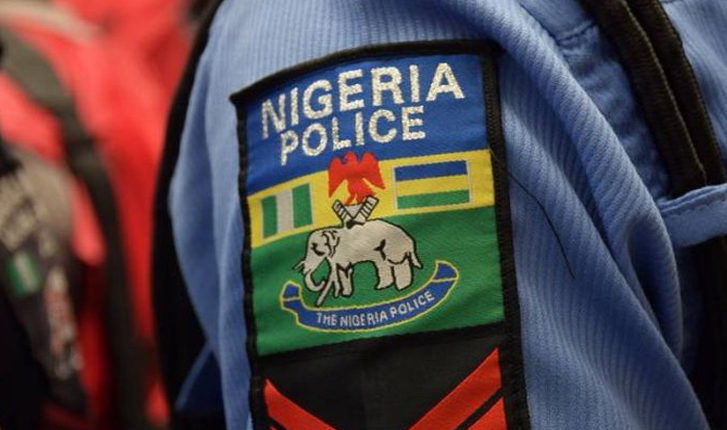
FCT Police Arrest 40 Over Traffic Robbery, Kidnapping, Armed Robbery

‘No Ban On Nigerians’ — South Africa Dismisses Visa Stoppage Rumours

BOI Applauds Tinubu’s Reforms for Success of N250 Billion Bond

Tinubu Warns Politicians: No Ethnic or Religious Politics Ahead of 2027

Tantita Has Boosted Nigeria’s Oil Revenue, Employed Over 10.000 N’Delta Youths – Consultant

Jonathan Warns Serving Govs, Others to Stop Converging on States with ‘Army of Aides’ During Off-circle Elections
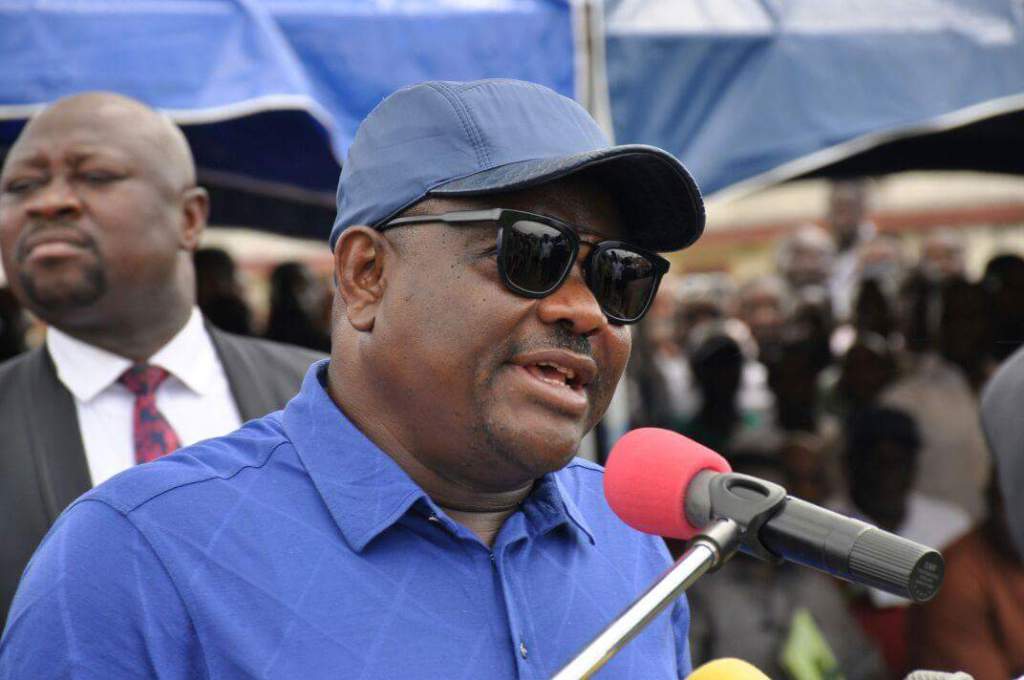
‘If Tinubu Didn’t Allow Free Poll, Adeleke Wouldn’t Have Won’ — Wike

Abuja Water Channels: Wike Vows ‘No One Will Be Spared’ in Demolition Operation

APC Primaries: Ejele Sets to Withdraw Suit Against Senator Joel-Onowakpo

‘Stop Burning Economic Opportunities’ — Sowore Urges FG To Legalise Cannabis

Why NFF Ordered Super Falcons’ Technical Crew to Step Down After World Cup Blow

FMC Ovwian Speaks on Recruitment Status, Warns Public Against Fraudsters

FG Moves to Rename Osubi Airport Code, Says ‘Osubi Is Not Warri’
