BUSINESS
How FairMoney is Powering the Next Generation of Nigerian SMEs, By James Edeh

SMEs are widely regarded as the engine of economic growth. According to the Small and Medium Enterprises Development Agency of Nigeria (SMEDAN), in 2025, Nigerian SMEs continued to anchor the economy, representing approximately 96% of all businesses. These enterprises contributed over 48% to Nigeria’s GDP and accounted for between 84% of total employment. However, while the vast majority of SMEs play a vital role in national development, only a small minority have access to formal credit or the financial literacy required to scale and meet eligibility requirements.
FairMoney Microfinance Bank (MFB), a leading technology-enabled bank in Nigeria, is supporting national financial inclusion objectives and bridging the gap by providing solutions that directly assist small and medium-sized enterprises (SMEs). It does this not only by providing access to financing but also by offering efficient payment processing options that help SMEs scale up financially.
Access to Capital
Securing a loan through FairMoney MFB offers a streamlined path for Nigerian SMEs to transform potential into performance. By prioritizing digital speed and accessibility, the microfinance bank enables eligible business owners in Nigeria to secure up to ₦5,000,000 without physical collateral; however, access remains subject to credit assessment. This rapid disbursement creates a real opportunity for entrepreneurs to act on time-sensitive growth prospects, whether that means restocking inventory ahead of a peak season, fulfilling a sudden large-scale order, or upgrading essential equipment. To improve their eligibility for higher loan amounts, SMEs simply need to increase their engagement with the FairMoney ecosystem; banking and managing finances directly through the app after an initial application using their BVN and business details.
Beyond the Bank Statement
Alternative credit scoring is the engine that allows FairMoney MFB to leverage broader data sets to better inform credit decisions for a wider range of SME customers. FairMoney MFB doesn’t just look at a bank statement; it looks at potential. By utilizing Alternative Credit Scoring powered by advanced data analytics and machine learning, FairMoney MFB assesses creditworthiness based on non-traditional data, such as app usage patterns, transaction velocity, and digital footprints – with customer consent and in accordance with Nigerian data protection requirements. This approach opens the door for businesses with limited formal financial histories to access real growth opportunities that were previously out of reach. For the Nigerian SME, this presents the opportunity to scale from small-scale survival to ambitious expansion, securing the funding necessary to innovate and compete based on the real-time strength of their operations.

Smarter Savings
True business growth requires a shift from simple borrowing to disciplined wealth management, and FairMoney MFB empowers SMEs with a suite of specialized products designed to ensure their capital works as hard as they do. Through FairTarget, entrepreneurs can define specific financial milestones, such as purchasing equipment or securing a larger office, and automate their progress toward reaching them. For operational liquidity, FairSave offers a high-interest savings account where funds remain accessible while earning daily interest, while FairLock provides long-term stability by allowing businesses to secure surplus funds at premium interest rates, protecting capital from impulsive spending. Together, these features transform FairMoney MFB from a lender into a comprehensive financial partner to SMEs that fosters both immediate scalability and long-term fiscal health.
POS Systems
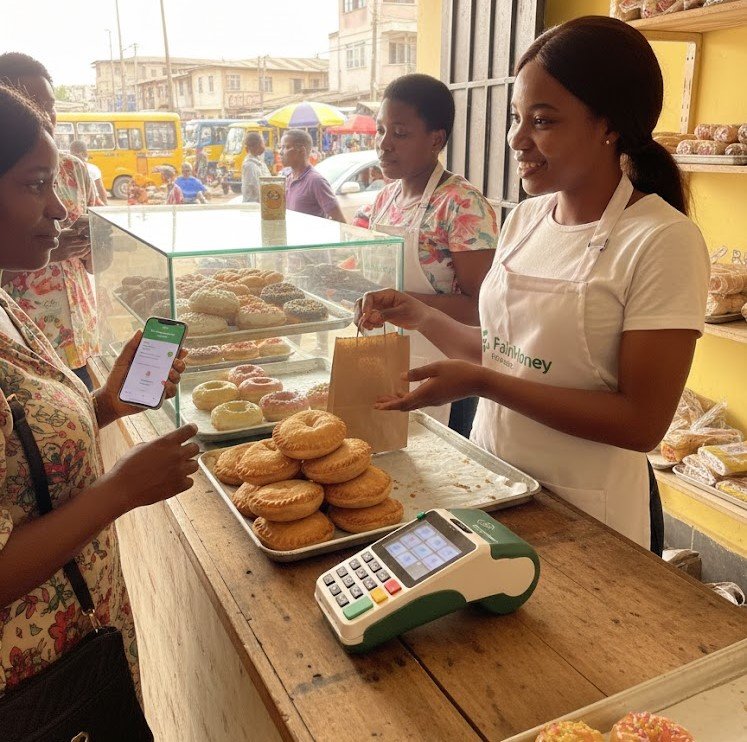
FairMoney MFB’s Point of Sale (POS) systems provide Nigerian SMEs with a robust infrastructure to accept online, mobile, and in-person payments seamlessly. By transitioning from a cash-only model to a multi-channel payment system, businesses can significantly reduce operational risks such as theft and accounting errors while expanding their reach to a nationwide customer base. This digital shift unlocks real-life opportunities for growth. A local retailer can move beyond foot traffic to sell to customers across the country via the web, while service providers can offer “Pay with Transfer” or card options that cater to the growing demographic of cashless consumers. Every digital transaction creates a verifiable financial trail within the FairMoney MFB app, which the bank uses to build a more accurate credit profile for the merchant. This means that simply by making it easier for customers to pay, SMEs could potentially improve their credit profile and gain access to more competitive pricing needed for long-term expansion.
Maintaining detailed financial records has transitioned from a best practice to a regulatory necessity for SMEs. The current landscape, influenced by the Nigeria Revenue Service (NRS), increasingly values verifiable digital records as a means of supporting eligibility assessments for small business tax holidays. Maintaining such records through record keeping can facilitate compliance with requirements for exemptions, such as the 0% Company Income Tax (CIT) rate for businesses with an annual turnover below ₦100 million. Without accurate, time-stamped digital trails, including structured e-invoices and clear transaction histories, SMEs risk not only losing these vital fiscal reliefs but also facing significantly sharper penalties for late filing or non-compliance.
Beyond tax, streamlined records bridge the information gap that often hinders access to credit; by presenting a “financial compass” of real-time cash flow and profitability, business owners can prove their creditworthiness to partners, turning their compliance into a strategic tool for securing the capital needed to scale in an increasingly formalised market. FairMoney MFB continues to serve as a dynamic partner in an SME’s journey toward long-term scalability and financial stability.
Edeh, is Head of Compliance, FairMoney Microfinance Bank


PVC Collection: Obidient Movement Alleges Vote Buying, Warns Deltans Against Releasing PVC, Bank Details

Delta North Senate 2027: Why Okowa Has Edge Over Ochei in Anioma Battle

2027: Ibori Declares Massive Support For Tinubu, Oborevwori as Delta Governor Orders Overhaul of Dilapidated Schools

30-Day Petrol Relief: Tinubu Group Fires Back at Atiku, Defends NNPC’s Plan

Police Confirm Abduction of 3 Cocoa Research Institute Workers in Oyo

2027: Omo-Agege Fires Aguariavwodo, Says He Could Not Light His Own House

Anambra Building Collapse: Mother, 14-Year-Old Daughter Crushed to Death

Why Some Nigerian Graduates Are Rejecting NYSC in 2026: Security, N77k Allowance, No Jobs

Isoko North Chairman Ogorugba Pledges Support for LGAs Information Officers of NUJ, NUIS, Youth Devt

Ondo NAF Plane Crash: CAS Leads Recovery Efforts in Igbokoda, Assures Probe

NYSC Abduction: Mother Pays N6m Ransom to Secure Son’s Release

83 Army Division: New Air Defence Unit to Strengthen Security, Protect Oil Assets in Delta — Oborevwori

2027 Election Tribunals: CJN Warns Judges, Lawyers Against Unethical Conduct

Delta Police Arrest 3 Suspected Cultists, Recover AK-47, Pump-Action Guns
UPDATE: Imo NYSC Kidnap: Mother Says She Paid N6m Ransom Before Joint Security Team Rescued Son, 20 Others