
FEATURED
Clash of Titans: Omo-Agege, Okowa, and the Battle for the Soul of Delta APC

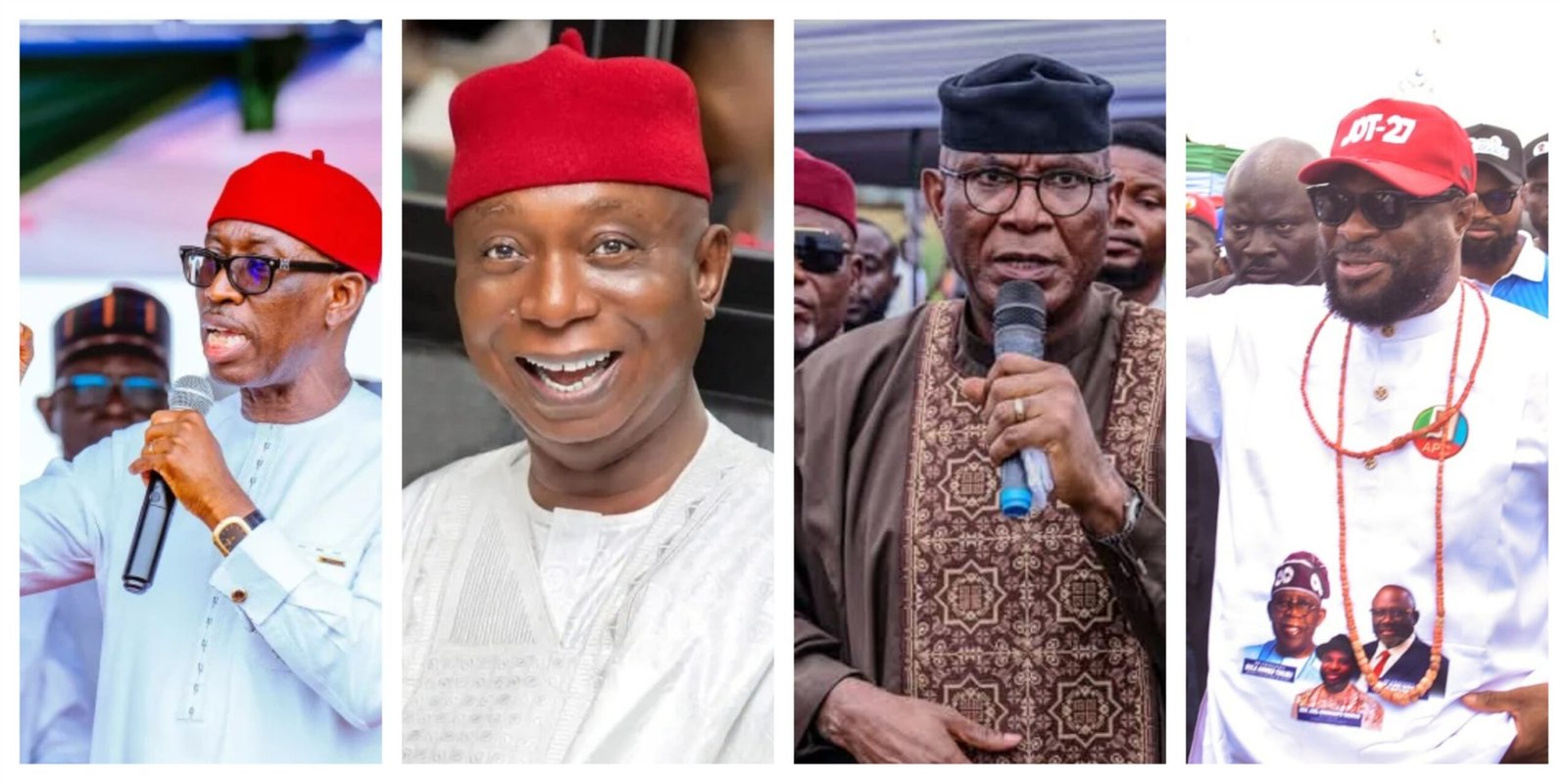
…Incumbent senators face ultimate survival test on Monday
From Joe Obukata Ogbodu, Warri
As Delta State positions itself for the 2027 political cycle, the traditional battleground has dramatically shifted. With Governor Sheriff Oborevwori firmly entrenched and largely unopposed for a second term, the real warfare has moved to the federal legislative tickets. Monday, May 18, marks the All Progressives Congress (APC) senatorial primaries—a day that promises to fundamentally redraw the state’s political map.
The current peace is deceptive. The tectonic plates of Delta politics shifted when Governor Oborevwori executed a high-wired political maneuver, pulling the entire formidable structure of the Peoples Democratic Party (PDP) into the ruling APC.
While this masterstroke cleared Oborevwori’s gubernatorial path, it threw a massive wrench into the machinery of federal legislative contests.
Now, the state’s three incumbent senators—Ede Dafinone (Delta Central), Prince Ned Nwoko (Delta North), and Thomas Joel-Onowakpo (Delta South)—find themselves walking an incredibly thin political tightrope, facing heavyweight challengers and shifting party loyalties.

Delta Central: The Proxy War for Party Supremacy
In Delta Central, Monday’s primary is a deeply personal and strategic face-off between the incumbent, Senator Ede Dafinone, and the former Deputy Senate President, Ovie Omo-Agege.
Omo-Agege, who painstakingly built the Delta APC opposition architecture during the years of PDP dominance, is looking to reclaim his seat in the Red Chamber. While he still commands fierce grassroots loyalty, the power dynamics have evolved. Dafinone, who inherited the seat after Omo-Agege’s 2023 gubernatorial bid, has spent his tenure cultivating a reputation as a moderate, issue-driven legislator.
Adding intrigue to this race is the covert hand of Governor Oborevwori. Rumours are rife within party circles that Oborevwori prefers the less combative Dafinone to hold the seat. Speculation suggests a long-term strategy: a quiet pact where Dafinone serves his last one term, leaving the seat open for Oborevwori’s own projected senatorial ambitions in 2031.
Though unverified, the friction is real. When key party stakeholders, including founding leader Olorogun O’tega Emerhor and Minister Festus Keyamo, threw their weight behind Dafinone, it signaled a deliberate effort to pivot the Delta APC away from single-figure dominance toward collective leadership. For Omo-Agege, Monday is about resisting political marginalization in the very party he helped birth.
Delta South: A Two-Horse Race After Last-Minute Drama
The political temperature in Delta South reached a boiling point following the sudden, dramatic exit of a major contender just days before the vote.
Incumbent Senator Thomas Joel-Onowakpo, a first-term lawmaker praised for his calm demeanor and stellar past record as the state’s tax chief—where he grew internally generated revenue by over 250%—has faced criticism over a perceived lack of local engagement and town hall meetings.
Looking to capitalize on this vulnerability, Omo-Agege initially backed Chief Itiako Ikpokpo (Malik), the former State ALGON chairman, to challenge Joel-Onowakpo. However, on Friday, May 15, after purchasing his ₦20 million forms and clearing screening, Malik abruptly withdrew from the race, citing an unlevel playing field and entrenched power plays that made a fair contest impossible.
Malik’s exit leaves a straight, high-octane battle between Senator Joel-Onowakpo and political heavyweight Hon. Michael Diden (popularly known as Ejele). Ejele, who narrowly missed winning the seat in 2023 under the PDP banner, has entered the APC fray with massive institutional backing from APC chieftain Chief Ayirimi Emami and former Minister Elder Godsday Orubebe.
Delta North: The Heavyweight Battle of Legacies
If Delta Central is about party control, Delta North is a pure battle of political titans. The primary sees incumbent Senator Ned Nwoko defending his turf against former Governor Ifeanyi Okowa.
Okowa, a veteran strategist whose career spans from local government chairman to two-term governor and 2023 PDP vice-presidential candidate, has entered the APC arena with his formidable statewide machinery intact. His entry instantly disrupted the race, which Nwoko was previously tipped to win comfortably.
Nwoko has built a populist brand, heavily leveraging his high-profile advocacy for the creation of “Anioma State”—a cause that has resonated deeply with youth and elites. However, Okowa has aggressively countered this narrative during delegate consultations, accusing Nwoko of weaponizing the state-creation issue for personal political gain and lacking deep, localized constituent engagement.
Nwoko is fighting back by looking to the center. He has quietly signaled to delegates that he possesses the backing of the presidency, warning party faithful against handing the APC structure over to “the same hands that worked against President Tinubu in 2023.”
What might on paper look like a routine internal party primary is, in reality, a defining crossroad for Delta State. As delegates head to the polls this Monday, May 18, the results will do more than just pick candidates for 2027—they will decide who owns the future of political power in Delta.
(This article was originally published by Sun newspaper)



Ex-Delta First Lady Roli Uduaghan Joins Oborevwori, Okowa to Bid Otumara Emotional Farewell in Warri

Malami, Ogboru, Gbadebo Rhodes-Vivour Lead as ADC Unleashes Political Heavyweights for 28 Governorship Slots ahead of 2027

Atiku to Tinubu: Release Your FBI Files, I Have Nothing to Hide

Abducted Delta Woman Rescued as Police Arrest 8 Suspects in Abraka

NYSC Sets September 8 for Physical Verification of Foreign-Trained Graduates

Your Sacrifice Matters — VeryDarkMan Apologises to Troops Over NBA Conference Outburst

Okowa’s Senate Bid: Why Experience, Party Structures May Give Him an Edge Over Ochei in Delta North

Defence Minister Musa Blasts El-Rufai, Accuses Ex-Governor of Dividing Kaduna

2027: Isoko North LGA’s City Boys Movement Meet Ogorugba, Declares Support for Tinubu, Oborevwori’s Re-election Bid

Delta Police Arrest 6 Suspects, Dismantle Illicit Drugs Shop

Why DSS DG Draws the Line: ‘No More Arrests Over Civil Disputes’

Tinubu Not Facing Criminal Case in US, Presidency Clarifies FOIA Litigation

PenCom Raises Alarm as PFAs Sink N17.1trn Pension Funds Into FG Securities

Court Remands Man for Retaining N1.09b ‘Proceeds of Criminal Conduct’ in Abuja
