FEATURES
We Have the Right to Deal With Illegal Migration— South Africa Fires Back at Nigeria

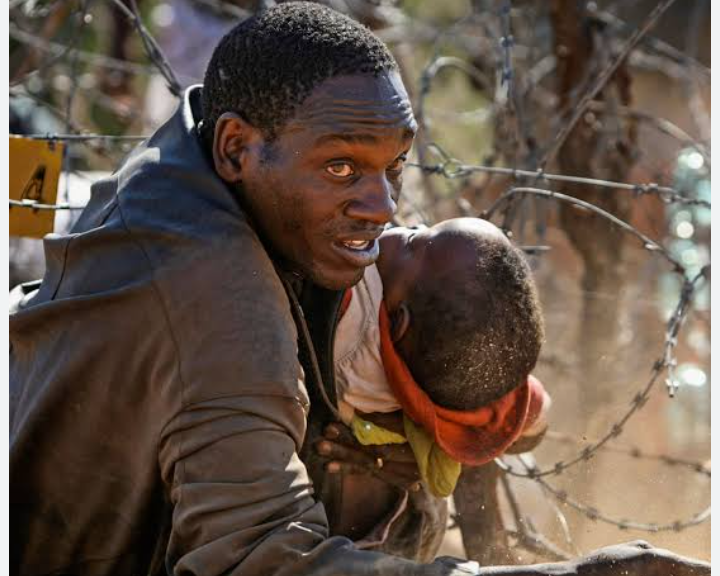
Nigerian and South African diplomats held tense talks in Abuja on Monday to address a wave of xenophobic attacks against foreigners in South Africa, with both sides invoking “brotherhood” even as deep divisions emerged over responsibility and solutions.
The meeting at the Nigerian Ministry of Foreign Affairs came amid months of protests in South Africa — some violent — targeting African immigrants whom demonstrators blame for crime, unemployment and pressure on public services.
Opening the discussions, both delegations addressed each other as “brothers” and referenced Nigeria’s historic support for South Africa’s struggle against apartheid. But the pleasantries quickly gave way to sharp exchanges.
Nigeria’s Minister of State for Foreign Affairs, Ambassador Sola Enikanolaiye, accused Pretoria of complicity in the violence.
“We have records of Nigerians who have legitimate papers to remain in South Africa, yet they have been attacked,” Enikanolaiye said before the meeting went into a closed-door session.
“And we could see some mob actions in which we saw the police watching, as if they are helpless to address this situation.”

South African Minister of International Relations, Ronald Lamola, countered that the country was grappling with “criminality” linked to immigrants, including drug peddling and wire fraud.
“President Cyril Ramaphosa and the government he leads have been outspoken against any intolerance,” Lamola said.
He added that South Africa has the right to “deal decisively with irregular migration, undocumented immigrants — including acts of criminality.”
South African police say at least four foreign nationals have been killed in attacks linked to the anti-migrant protests, though some African governments repatriating citizens have reported a higher toll.
According to an AFP tally based on figures from governments evacuating their nationals, more than 160,000 people have fled South Africa, including about 1,500 Nigerians.
Nigeria and Ghana have been among the most vocal critics of Pretoria’s handling of the protests. Reports indicate that in some instances, anti-immigrant groups have stormed homes and dragged people into police vans.
Analysts say South Africa, one of the continent’s most industrialised economies, has long attracted both documented and undocumented immigrants. However, high unemployment, weak social services and rising crime have fueled resentment, with immigrants often scapegoated for broader government failures.
Vanguard report that the Abuja meeting ended without a public agreement on concrete steps to curb the violence, highlighting the challenge of balancing diplomatic ties with domestic pressure in both countries.





Oborevwori’s CPS Ahon Meets New Delta NUJ Exco, Calls For Closer Synergy With Government

Full List: Tinubu Nominates 4 New INEC Commissioners, 2 RECs — See Names, States

NNPC Confirms Rivers Pipeline Explosion, Residents’ Homes and Businesses Damaged

Police Raid Cult Anniversary Party in Asaba, Arrest 95 Suspected Cultists, Recover Pump-Action Guns

Aircraft Loses Door Minutes After Take-Off From Abuja, Makes Emergency Landing

Umahi Orders Reconstruction Of Benin-Asaba Highway, Reopens First Niger Bridge With CCTV, Solar Lights
Minimum Wage: NLC, FG Clash Over Timing of Fresh Wage Review

Yahaya Bello Fraud Trial: BDC Operator Reveals How N1.425bn Was Used To Pay Bello Children’s School Fees At AISA

Dokubo-Asari To Be Crowned Amanyanabo Of The Source Dec 19, As Tonye Princewill Chairs Coronation Committee

Ebenco Refinery Gets NMDPRA Approval To Introduce Hydrocarbons, Advances To Commissioning

Delta: Police Arrest Man For Attempted Armed Robbery, Stabbing Woman in Alifekede Village

Delta Police Arrest Three Over Theft Of N2m, POS Machine In Okwagbe Waterside

Oluremi Tinubu Pays Homage to Oba of Benin in Benin City

Delta NUJ Election: Oyowe Re-elected Chairman, Defeats Obieh

2027 Delta Central: Omo-Agege Accuses Dafinone Of Sponsoring Petitions, Says He’s Scared Of Election