BUSINESS
Afreximbank, Benin Showcase Industrial Zone Turning Raw Cotton to Finished Garments for Global Brands

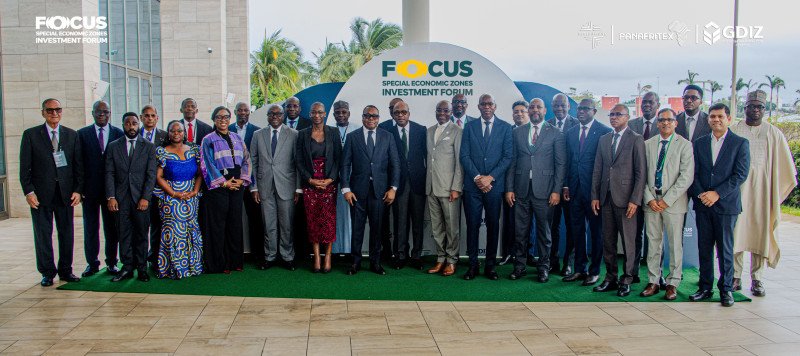
The African Export-Import Bank (Afreximbank), in partnership with Société d’Investissement et de Promotion de l’Industrie (SIPI-BENIN S.A) and Panafritex, has hosted the Special Economic Zones Investment Forum (FocusSEZ 2026) to drive local processing and industrialisation in Africa.
The forum, held on October 21 and 22, 2026 at the Sofitel Cotonou Marina Hotel and the Glo-Djigbé Industrial Zone (GDIZ) in Benin, brought together international investors, industrialists, buyers and development finance institutions.
Held under the theme “Investing in Local Processing and Industrialisation”, the event focused on investment opportunities for value addition at the GDIZ.Speaking on behalf of Kanayo Awani, Executive Vice President for Intra-African Trade at Afreximbank, Jean Arsene Yemina, Regional Director for Francophone West Africa, said Benin’s textile sector had become a model for Africa’s industrial transformation.
He disclosed that before the creation of the GDIZ, less than 1% of Benin’s cotton was processed locally. In just three years, the zone now processes about 40,000 metric tons — nearly 12% of national production — into finished garments.
“Today, the zone is home to West Africa’s first fully integrated cotton-to-garment manufacturing platform, operated by Benin Textile (BTEX). The entire value chain, from ginning and spinning to weaving and finished garments, is carried out on African soil by African hands,” Yemina said.
He said millions of “Made in Benin” garments from the zone were now supplied to major international brands including US Polo, Kiabi and H&M.He added that similar efforts were underway at the GDIZ to develop local processing in cashew, soybean and shea value chains.

Director General of SIPI-BENIN S.A., Létondji Beheton, said Africa must move beyond exporting raw materials.
“Our ambition can no longer be limited to producing and exporting raw materials. We must go further by processing more of these resources on our continent, developing competitive industries, strengthening our value chains and retaining a greater share of the wealth,” Beheton said.
He said the 1,640-hectare GDIZ, developed through a public-private partnership between Benin and ARISE Integrated Industrial Platforms (ARISE IIP), was designed as an integrated ecosystem from raw material sourcing to export, leveraging connectivity to the Port of Cotonou.
CEO of Panafritex, Arvind Mathur, said the company’s textile platform was building Africa’s capacity to transform its cotton into high-value products.
Mathur said Panafritex brands — Obalé and SúSú — were connecting Africa’s manufacturing capabilities with consumer markets, with new facilities planned in Cameroon, Kenya, Nigeria, Ghana and Tanzania after the commissioning of its first facilities in Benin.
On financing, Afreximbank presented its support instruments for investors, including long-term financing, equipment financing, trade finance, working capital, guarantees, risk-sharing, and equity investment through the Fund for Export Development in Africa (FEDA).
The bank also highlighted its Africa Buyers Programme, which connects African buyers with manufacturers in industrial zones across the continent.
A full day of the forum was dedicated to a tour of GDIZ infrastructure and business matchmaking sessions between investors, manufacturers and buyers, aimed at establishing new factories and expanding sourcing of Made-in-Benin products in agro-processing, textiles, plastics, packaging and industrial equipment.
With Nigeria’s own Special Economic Zones in Lagos, Ogun and Delta’s Kwale Industrial Park struggling with value addition, the Benin model — where a single zone now processes 12% of national cotton — is being watched by West African policymakers as a blueprint for industrial sovereignty.




EFCC Arraigns Man Over Alleged N238.3m Fraud in Lagos

EFCC Uncovers Chinese-Operated Illegal Oil Refinery in Ogun, Recovers Diesel

Afreximbank, Benin Showcase Industrial Zone Turning Raw Cotton to Finished Garments for Global Brands

Alibaba Powers First Youth Olympic Games in Africa with Cloud, AI for Dakar 2026

Isoko Endorses Tinubu, Oborevwori for 2027, Confers Orhuerevwo, Ododo Titles on Governor, Wife

US Property Records Show Ex-Finance Minister Zainab Ahmed Acquired $765k Maryland Home 6 Months After Leaving Office — Report

Ondo Police Raid Fake Dollar Factory, Arrest Suspect, Recover Three Bags of Notes

OKOWA’S ACHIEVEMENTS AS DELTA GOVERNOR: EDUCATION, HEALTH, INFRASTRUCTURE, BY SIR CHURCHILL AJUSAH

Court Jails Lagos Couple 14 Years For N67.6m Property Fraud

2027: Keyamo Warns Nigerians Against Taking Up Arms to Protect Votes

NIN Fraud: NIMC Arrests Suspects, Seizes Enrolment Equipment.

Over 14m PVCs Uncollected As INEC Raises Alarm Ahead Of 2027 Elections

Javits Frimpong Death Sparks Debate Among Immigrant Parents On Bullying In US

Regina Daniels: Ned Nwoko Threatens Legal Action as Fake Death Reports Spark Outrage

Abia: Otti Vows to End Celebration of Persons With Questionable Wealth