
FEATURED
Saraki: I Refused to Rubber-Stamp Foreign Loans as Senate President

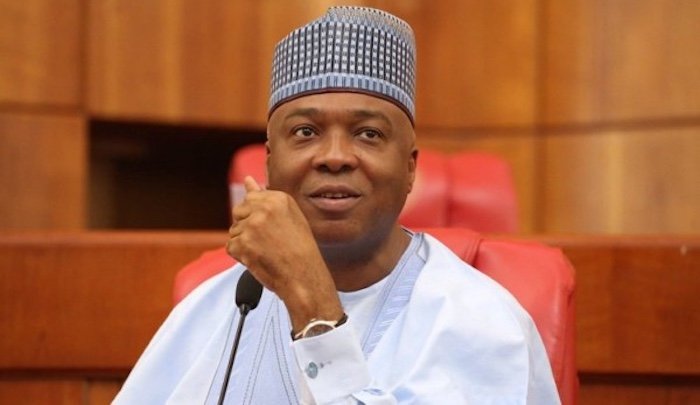
Former Senate President, Bukola Saraki, has said he never approved foreign loan requests without proper legislative scrutiny during his tenure, insisting he faced political pressure for demanding accountability before borrowing.
Saraki made the remarks while speaking at the Global Strategic Advisory Group meeting in Villa La Collina, where he reflected on the fiscal oversight initiatives of the Eighth National Assembly between 2015 and 2019.
According to him, the Senate under his leadership prioritised fiscal accountability by introducing open budget hearings, scrutinising government revenues outside the treasury system, and advancing reforms in the petroleum sector.
”During my tenure as Senate President, we placed strong emphasis on fiscal oversight, introducing open budget hearings, confronting the issue of unremitted revenues held outside the treasury system, and working on petroleum sector governance reform,” he said.
”These were not easy fights. But they were necessary because the alternative is permanent external dependency.”
Saraki maintained that he resisted attempts to secure legislative approval for foreign loans without adequate oversight, arguing that every borrowing proposal deserved thorough scrutiny.
”I challenged the executive on foreign loan approvals and received significant political pushback because the system was not designed to support proper scrutiny of purpose or impact. Many of these loans were accepted as if they were free gifts, yet repayment obligations remained,” he said.
The former Kwara State governor also expressed concern over Nigeria’s tax-to-GDP ratio, which he said stands at about six per cent—one of the lowest for an economy of its size globally.
He warned that excessive dependence on foreign loans and aid undermines economic sovereignty, urging Nigeria and other African countries to strengthen domestic revenue generation and build resilient institutions.
Saraki called on African governments to pursue economic partnerships driven by trade, industrialisation and investment rather than aid dependency. He also urged leaders to prioritise transparent budgeting, stronger legislative oversight, judicial independence, credible elections, and greater investment in youth, education and innovation to achieve sustainable development.


Saraki: I Refused to Rubber-Stamp Foreign Loans as Senate President

EFCC Arraigns Man, his Company in Lagos Over Alleged N336.9m Fraud

’Our Lives Are in Danger’ – Ugborodo Community Protests Alleged Release of Armed Suspects, Seeks Urgent Govt Intervention

Working But Still Poor: The Reality of Low Paying Jobs in Nigeria

‘Sponsors Named, AK-47s Seized, Yet Suspects Walk Free’, Protesters Allege as Protest Rocks Oil-rich Ugborodo
Oyo School Abductions: When Going to School Becomes a Thing of Fear

DELSUTH Gets Lifeline as Gov. Oborevwori Moves to Revamp Teaching Hospital, Restore Power Crisis

FG Orders Marketers to Cut Petrol Prices, Warns Against Profiteering

Morocco Stun Netherlands on Penalties, Paraguay Knock Out Germany to Reach World Cup Last 16

Contractor Laments Vandals Attack on Delta Newly Built Market as Gov Oborevwori Inspects Key Projects

FG Extends NYSC Orientation Camp to Six Weeks, Scraps Military Drills, Passing Out Parade

Oyo Police Rescue Abducted Children, Arrest Four Kidnap Suspects, Recover Sophisticated Firearms
Supreme Court Upholds Final Forfeiture of N1.58bn Linked to Ex-NIRSAL Consultant, Orders N5m Costs

Social Media Is Influencing the Youth Negatively
