POLITICS
Court Ruling on NDC Opens Fresh Legal Battle Ahead of 2027


By Daniel Othegbemeh
The Federal High Court’s decision to set aside its earlier judgment recognising the Nigeria Democratic Congress (NDC) as a political party has added a new layer of uncertainty to Nigeria’s political landscape as preparations for the 2027 general election continue.
While the ruling has sparked widespread debate, it does not necessarily bring the NDC’s political journey to an end. Rather, it marks the beginning of another legal battle that could shape the party’s future and influence opposition politics in the months ahead.
Justice Isah Dashen of the Federal High Court sitting in Lokoja delivered the ruling after hearing an application filed by the Peace Movement Party (PMP), an association that argued it should have been joined in the earlier proceedings because its interests were affected by the court’s December 2025 judgment.
That earlier judgment had compelled the Independent National Electoral Commission (INEC) to register the NDC as a political party after the commission initially declined its application.
Following its registration, the NDC began operating as a political party. According to the party, it conducted congresses from the ward to the national level, organised its national convention, registered members across the country, nominated candidates for various elective offices and participated in recent bye-elections in Nasarawa and Enugu states.
However, Friday’s ruling reopened the legal dispute and immediately raised questions about the party’s status.
Has the NDC Been Deregistered?
That has become the biggest question since the judgment was delivered.
In an official statement signed by its National Chairman, Senator Moses Cleopas Zuwoghe, the NDC insisted that the court did not order its deregistration and maintained that it remains a legally recognised political party.
The party also announced that it had directed its legal team to challenge the ruling at the Court of Appeal.
According to the NDC, the Federal High Court had already delivered a final judgment in December 2025 and therefore became functus officio a legal principle which generally means that once a court has delivered its final decision, it cannot revisit the same matter except in circumstances permitted by law.
The party further argued that the Peace Movement Party is not a registered political party and questioned its legal standing to reopen the case through a motion instead of an appeal.
Those arguments will now be left for the Court of Appeal to determine.
Why the Case Matters
Beyond the courtroom, the ruling has political significance.
Political parties spend years preparing for elections. They recruit members, build structures, conduct congresses, nominate candidates and develop campaign strategies long before election day. Any uncertainty surrounding the legal status of a party can affect those preparations and shape political calculations.
The NDC has increasingly attracted public attention ahead of the 2027 elections, making the latest court decision more than an ordinary legal dispute. It is a development that could influence the wider conversation about opposition politics and electoral competition.
The case also highlights the judiciary’s crucial role in Nigeria’s democracy. Courts are expected to ensure that electoral laws are followed while protecting the constitutional rights of individuals and associations. At the same time, court decisions involving political parties often have consequences that extend beyond the legal issues before the bench.
What Happens Next?
The NDC has confirmed that it will appeal the ruling, meaning the legal contest is far from over.
For now, there is no indication that the party has abandoned its political activities. Instead, it maintains that its nominations remain valid and that its participation in the political process will continue while it challenges the ruling.
As of the time of filing this analysis, INEC had not issued an official public statement on the court’s decision.
Timeline of the Dispute
– December 2025: The Federal High Court orders INEC to register the Nigeria Democratic Congress as a political party.
– Following the judgment: INEC registers the NDC, and the party begins nationwide political activities, according to the party.
– June 26, 2026: Justice Isah Dashen sets aside the earlier judgment after an application filed by the Peace Movement Party.
– Same day: The NDC rejects suggestions that it has been deregistered and announces that it will challenge the ruling at the Court of Appeal.
Whatever the outcome of the appeal, the dispute has become another reminder that in Nigeria, the path to political competition is often shaped as much in the courtroom as it is on the campaign trail. The next ruling may not only determine the future of one political party but also test important legal principles surrounding political participation, due process and electoral democracy.



Police Arrest Sapele School Bus Driver Over Alleged Kidnap, Rape of 14-Year-Old Student

EFCC Opens 2026 Recruitment Portal: Positions, Requirements, How to Apply

NDLEA Arrests US-Based Grandma With 9.45kg Loud, South African Woman With 36.65kg Cocaine

Ruth Kadiri Warns Couples Against Pressure of Lavish Weddings

Grant Ecosystem Begs Tinubu to Intervene, Investigate, Release Unpaid Foreign Grants

Okowa Woos Ndokwa People, Says Unity Will Give APC Massive Votes In 2027

Delta Police Rescue Kidnap Victim, Arrest Eight Suspects, Recover Firearms

Why Some People Around Tinubu Don’t Want Fashola in His Government – Akande

2027: Buhari’s Government Humiliated Tinubu, Akande Tells Atiku to Sacrifice

Blackout: Police Storm BEDC HQ in Benin, Arrest NUEE Officials Over Strike
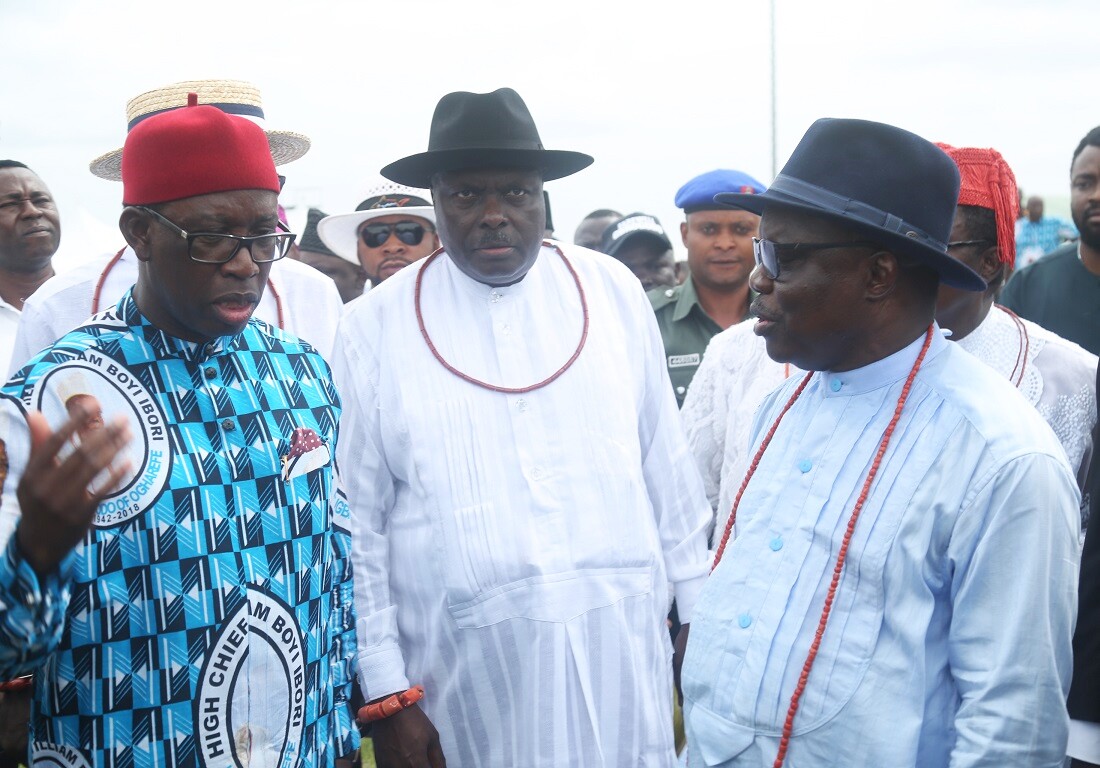
NUJ Urges Delta Govt To Sustain Uduaghan’s Legacies As Oborevwori, Okowa Visit Widow

2027: ‘Rig And Die’ — Omo-Agege Warns Against Vote Manipulation In Delta

Delta Govt Approves N4bn Empowerment For 15,000 Indigents

Army Deploys 600 Soldiers to India for Jungle, Mountain Warfare Training

2027: Court Fixes Nov. 24 For Judgment On Suit Challenging Omo-Agege’s NDC Ticket