
FEATURED
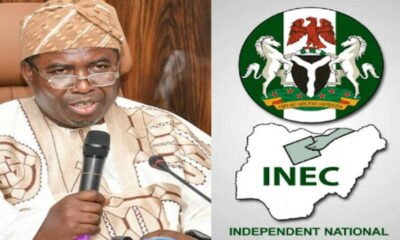
INEC Removes 1.6 Million Invalid Voter Records, Flags 54 Officials.


The Independent National Electoral Commission (INEC) has uncovered and removed 1,608,660 invalid voter registrations from Nigeria’s National Register of Voters following a nationwide clean-up exercise ahead of the 2027 general elections.
The commission also disclosed that 54 persons across 10 states had been identified for allegedly compromising voter registration procedures, warning that disciplinary action, including possible prosecution, would be taken against those found culpable.
INEC Chairman, Joash Amupitan, disclosed this while explaining the outcome of the commission’s review of the preliminary voters’ register, which attracted widespread criticism over suspected irregularities.
Amupitan said the current National Register of Voters contained records from successive registration and Continuous Voter Registration (CVR) exercises conducted since 2011, using different technologies, operational arrangements and quality standards.
He explained that although the register had undergone several cleansing exercises and biometric comparisons, significant historical integrity concerns remained.
According to him, INEC’s Automated Biometric Identification System initially flagged 1,545,052 registration records for further investigation.

He, however, clarified that being flagged by the automated system did not automatically render a registration invalid, as each case was subjected to further examination and authorised adjudication.
Amupitan said 1,277,052 registrations were confirmed invalid and excluded before the publication of the preliminary register.
Following complaints, claims and objections received during the seven-day public display exercise between October 9 and 15, the commission reviewed another 268,000 cases.
Of the figure, 217,722 registrations were confirmed invalid and removed, while 50,278 were cleared and retained.
He added that further screening identified another 113,886 invalid registrations, bringing the number of additional records removed following the review to 331,608.
Combined with the 1,277,052 registrations previously excluded, the total number of invalid registrations removed stood at 1,608,660.
The chairman said 873 additional records relating to deceased voters were treated separately.
The clean-up exercise followed public concerns over the preliminary voters’ register, after Nigerians and civil society organisations reportedly identified suspicious entries, including suspected artificial intelligence-generated photographs, duplicate registrations, unusual names and records belonging to deceased persons.
Some of the questionable photographs circulated widely on social media, triggering concerns about the integrity of the registration process and the commission’s verification procedures.
Amupitan said INEC was legally required to examine complaints and objections raised during the public display of the preliminary register.
He cited Section 19(2) of the Electoral Act 2026, which requires the commission to consider objections, claims and complaints submitted within 14 days after the voters’ register is displayed.
He said the commission was expected to verify the complaints, take corrective action and ensure the register was properly cleaned before publishing the final version.
The INEC chairman further disclosed that the commission’s technical assessment uncovered deliberate attempts to circumvent established voter registration procedures.
He said some of the infractions involved the misuse of provisions designed to accommodate exceptional registration circumstances, particularly those relating to persons with disabilities.
According to him, the affected records had been identified and subjected to verification and corrective measures, while personnel allegedly connected with the irregularities had been identified for administrative investigation.
“Fifty-four persons across ten states have been identified as complicit, and necessary disciplinary action will be taken against them, including possible prosecution,” he said.
Amupitan, however, warned that the latest clean-up exercise had not completely addressed the integrity concerns surrounding the national voters’ register.
He explained that many of the complaints involving multiple registrations and suspicious photographs circulating on social media concerned historical records captured between 2011 and 2023.
The chairman also clarified that INEC’s decision to postpone the proposed nationwide voter revalidation exercise until after the 2027 general elections did not prevent the commission from using existing mechanisms to identify and remove invalid registrations.
He said the commission, at its meeting on Monday, resolved to address outstanding duplications in the historical register.
According to him, records already flagged through public complaints, as well as obvious cases identified internally, would be removed after proper verification.
INEC said it would publish the cleaned-up National Register of Voters in December ahead of the 2027 general elections.





Uzodimma: Nobody Can Take My Imo West Senate Ticket

Son Allegedly Hammers APC Chieftain Father to Death in Edo.

INEC Removes 1.6 Million Invalid Voter Records, Flags 54 Officials.

How INEC Counts, Collates and Declares Nigeria’s Presidential Election Winner

Ozoro Curfew Relaxed To 10pm, Knock-Out, Unregistered Okada Banned After Cult Clashes

Oborevwori Cuts Warri Ring Road, PTI-Eku Road Timelines As Delta EXCO Approves N1.24trn 2027 Budget

Babcock 400-Level Student Alive After Viral Hostel Window Incident — Roommates Saved Him, Varsity Confirms

Pastor Tunde Bakare: I Told Tinubu I’m Too Old To Be A Minister

Oil Theft: Navy Arrests 259 Suspects, Recovers 7.48m Litres Of Stolen Products

2027: Makinde Dares Political Godfathers, Says God, Nigerians Will Give Him Presidency

Obasanjo Blames Leadership Failures for Nigeria’s Insecurity, Poverty, Mass Migration

50 Years Later, In The Same Hall Built For FESTAC ’77: Afreximbank Finally Puts Money Behind Film About FESTAC ’77

‘They Were Warned’: Delta Govt Says Asaba Death Could Have Been Avoided If NDC Had Not Ignored Police Advice

Minimum Wage: NLC Rejects FG’s 2027 Timeline, Demands Immediate Talks

Lagos Shuts Church After Resident Complains of Sleepless Nights, Threats