
FEATURED
US Midterm: What Democrats’ Win Means for Tinubu, APC and Nigeria’s 2027 Election

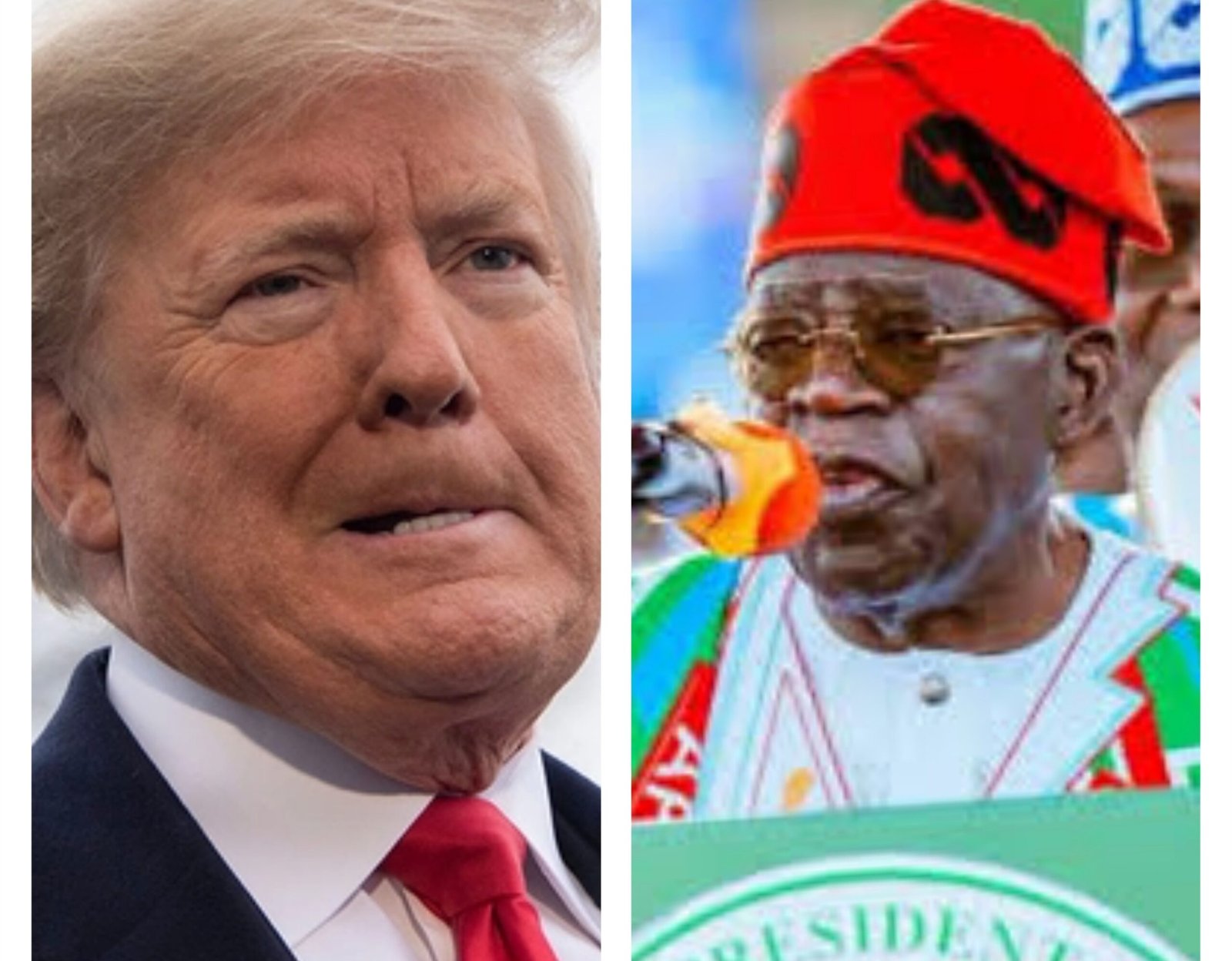
Democrats have swept both chambers of the US Congress in the 2026 midterm elections, flipping the House and Senate in a stunning rebuke of President Donald Trump over the cost of living.
Final projections put Democrats at least 228 seats in the House — well past the 218 needed for a majority — and at least 54 seats in the Senate, after flipping seven Republican-held seats including shock wins in Texas, North Carolina and Kansas.
All 435 members of the House were up for election, alongside 35 of 100 Senate seats and several governorship positions.
According to CBS projections, Democrats were projected to win at least 229 seats in the House to Republicans’ 161. In the Senate, Democrats had won 48 seats, Independents who sit with Democrats had clinched two, while Republicans had won 38, with 12 seats still outstanding.
Among the early results, Democrat Adam Hamilton was projected to win the Kansas Senate seat, while Republicans Bill Hegarty in Tennessee and Tom Cotton in Arkansas retained theirs. In governorship races, Deb Haaland, a Democrat, won in New Mexico, while Republican Sarah Huckabee Sanders was re-elected in Arkansas.
Ibori: “Democracy and Rule of Law Prevailed”

The US outcome drew reaction from Nigeria, including from former Delta State Governor, Chief James Ibori, a political associate of President Bola Tinubu.
In a post monitored by BIGPEN NGR, Ibori wrote:”Good morning America. Congratulations. Democracy and the rule of law prevailed”
The post, though short, has been widely interpreted in political circles as significant — coming from a key Tinubu ally at a time when the ruling All Progressives Congress (APC) is itself facing agitation over the cost of living in Nigeria.
According to exit polls by SSRS for AP and major US networks, nearly 9 in 10 voters said cost of living was a crucial factor in their vote, with almost 8 in 10 saying inflation had caused hardship for their families. 65% said President Trump had made economic conditions worse, not better.
The Cost-of-Living Factor: The Common Thread
Exit polls confirm inflation and cost of living were the dominant factors behind the Republicans’ poor showing, not just analysts’ opinion, despite holding the presidency.
That is the parallel many Nigerian commentators are now drawing.
In Nigeria, similar agitation has built up against the APC government over food prices, fuel costs, naira depreciation and hardship since the removal of subsidy and other reforms.
The question now being asked in Abuja, Lagos and Warri is simple: Will Nigerian voters in 2027 do what American voters did in 2026 — use protest votes to punish the ruling party over hardship?
Three Lessons for Nigeria From US Midterms
1. Midterms Punish the Ruling Party
In America, midterms are traditionally a referendum on the president. In Nigeria, 2027 will be a direct referendum on President Tinubu’s first term. If the cost-of-living narrative remains dominant, the APC faces the same risk the Republicans faced.
2. Protest Vote Is Real, Not Just Social Media Noise
The US results show that anger over prices translates to actual ballots, even when the ruling party controls federal power and messaging. Nigerian opposition parties — PDP, Labour Party and ADC coalition — are banking on the same dynamic.
3. But Nigeria Is Not America
Unlike the US, where elections are largely issue-driven and institutions are stronger, Nigeria’s 2027 outcome will also be shaped by ethnicity, religion, incumbency, state structures, and voter turnout in the North. The APC still controls majority of states and has a formidable grassroots machine that Republicans do not have in the same form.
What It Means for Tinubu, APC
For the APC, the US result is both a warning and a strategy note.
A warning because no amount of infrastructure claims — like the “report cards” Governor Sheriff Oborevwori cited in Isoko this week — may matter if voters feel poorer at the ballot box.
A strategy note because the party will now likely double down on palliatives, wage adjustments, food security programmes and visible projects between now and 2027 to blunt the cost-of-living anger.
For the opposition, the US result is a morale booster: proof that a ruling party can be punished even when it appears dominant.
Bottom Line for 2027
The US midterms do not decide Nigeria’s election. But they have given Nigerian voters a fresh reference point: that incumbency is not immunity when prices rise.
As Ibori put it, “democracy prevailed” in America. In 2027, Nigerians will test whether the same will happen at home.






US Midterm: What Democrats’ Win Means for Tinubu, APC and Nigeria’s 2027 Election

Uzere Oil Spill: Isoko South Chairman Commends Oborevwori for Swift Medical Intervention

OPINION: OCHEI’S DEBATE CHALLENGE IS STILL OKOWA’S SHOW, BY NORBERT CHIAZOR

DSS Releases 4 Suspected IPOB Members, Pays N20m Compensation

Police Rescue Nigerian Woman Sold For ₦770,000 In Mali, Arrest 3 Suspects

EFCC Arraigns Man Over Alleged N238.3m Fraud in Lagos

EFCC Uncovers Chinese-Operated Illegal Oil Refinery in Ogun, Recovers Diesel

Afreximbank, Benin Showcase Industrial Zone Turning Raw Cotton to Finished Garments for Global Brands

Alibaba Powers First Youth Olympic Games in Africa with Cloud, AI for Dakar 2026

Isoko Endorses Tinubu, Oborevwori for 2027, Confers Orhuerevwo, Ododo Titles on Governor, Wife

US Property Records Show Ex-Finance Minister Zainab Ahmed Acquired $765k Maryland Home 6 Months After Leaving Office — Report

Ondo Police Raid Fake Dollar Factory, Arrest Suspect, Recover Three Bags of Notes

OKOWA’S ACHIEVEMENTS AS DELTA GOVERNOR: EDUCATION, HEALTH, INFRASTRUCTURE, BY SIR CHURCHILL AJUSAH

Court Jails Lagos Couple 14 Years For N67.6m Property Fraud

2027: Keyamo Warns Nigerians Against Taking Up Arms to Protect Votes