
FEATURES
Illegal Mining Fuels Insecurity, Money Laundering, Revenue Losses, Reps Panel Warns

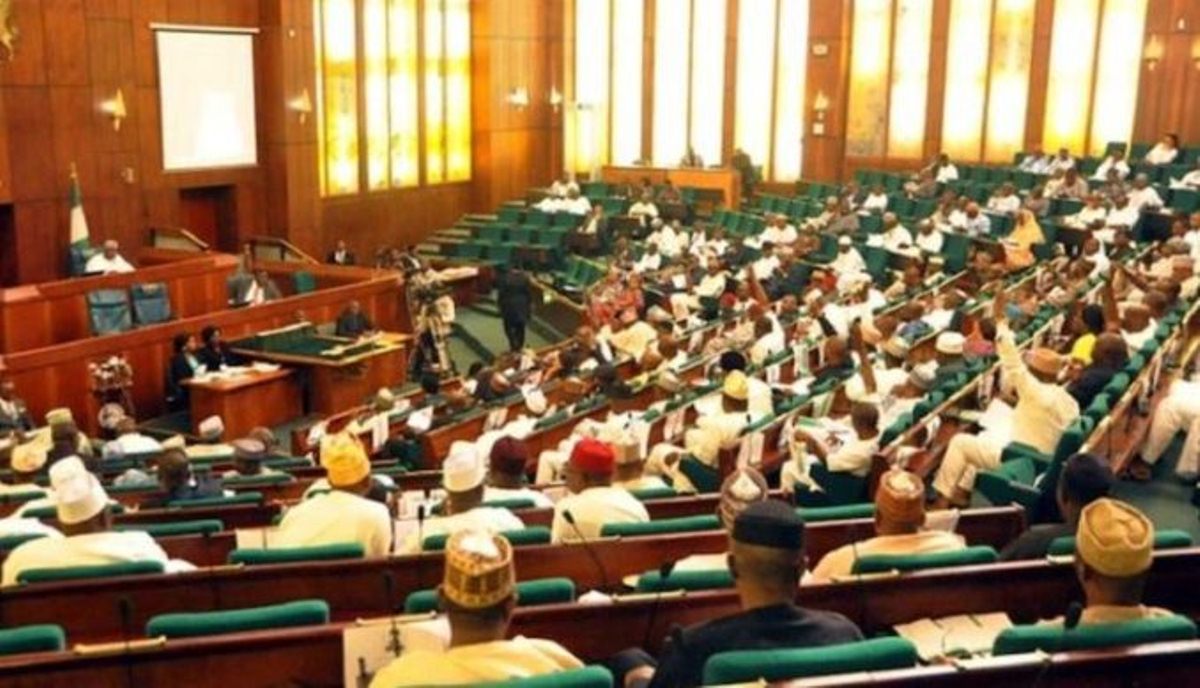
The House of Representatives Ad Hoc Committee on Mineral Exploitation, Security and Anti-Money Laundering has raised concerns over the growing impact of illegal mining, warning that the illicit activity is driving insecurity, money laundering and significant revenue losses across Nigeria.
Chairman of the committee, Sanni Abdulraheem, issued the warning on Monday while speaking at a high-level stakeholders’ workshop on extractive industry governance in Abuja.
He said criminal syndicates were taking advantage of weak regulatory enforcement and illicit financial flows to exploit the country’s vast mineral resources, depriving Nigeria of the economic benefits of its rich deposits.
According to Abdulraheem, Nigeria’s abundant reserves of gold, lithium, tin, coal, tantalite and other solid minerals should be generating wealth, creating jobs and funding critical infrastructure, including schools and hospitals.
”Yet, for too long, a troubling gap has persisted between the wealth beneath our soil and the prosperity of our communities,” he said, attributing the disparity to illegal mining, weak enforcement mechanisms and the laundering of proceeds from illicit mineral exploitation.
The lawmaker explained that the committee was established to investigate the scale of illegal mining activities, uncover financial networks linked to money laundering, evaluate security arrangements in mining communities and review the country’s legal and regulatory frameworks governing the mining sector.

He disclosed that the committee had commenced engagements with relevant institutions and had issued summons where necessary to facilitate its investigation.
Abdulraheem stressed that addressing illegal mining would require coordinated action by key stakeholders, including the Ministry of Solid Minerals Development, the Nigeria Mining Cadastre Office, security agencies, the Nigerian Financial Intelligence Unit, the Economic and Financial Crimes Commission, state governments, traditional institutions, licensed mining operators and civil society organisations.
He said the committee’s oversight responsibilities would be carried out with transparency and determination to ensure meaningful reforms.
”In the course of our work, we have held sittings, engaged relevant agencies and, where cooperation fell short of what the moment demands, we have not hesitated to issue summons. We do this not out of confrontation, but out of conviction because oversight without candour achieves nothing, and reform without accurate information is guesswork dressed as policy,” he said.
The committee chairman also urged anti-corruption agencies to intensify efforts to trace and disrupt illicit financial flows associated with illegal mining, noting that dismantling the financial networks behind the criminal enterprise would be crucial to ending the menace.
Punch report that he reassured licensed mining operators that the ongoing investigation was designed to protect legitimate investments and strengthen confidence in Nigeria’s mining industry, rather than hinder lawful business activities.
The workshop was declared open by the Speaker of the House of Representatives, Tajudeen Abbas, who was represented by the House Leader, Prof. Julius Ihonvbere.






2027: ‘I’m Answerable to Tinubu Only and Not Politically Lazy Governors’ – Wike Blows Hot

2027: APC Governors, Wike Clash Over ‘Rainbow Coalition’

Dear Dangote, Before Asking Nigerians to Invest, Make Things Cheaper

Opinion: A Mighty General Has Returned Home – Tribute to Fr. Anthony Mario Ozele

Renowned Catholic Priest Fr. Anthony Mario Ozele Dies at 60

Rainbow Coalition: Wike, APC Governors Backing Tinubu in Different Ways — Fayose

Police Raise Security Alert Over Planned Terror Attacks on Schools, Churches, NYSC Camps

Delta Police Dismantle Shrine Used by Suspected Criminals for Fortification in Ndokwa West

Two Shot Dead by Bandits While Inspecting Land in Imo

Photo: Desmond Elliot Kneels to Tinubu’s CoS Gbajabiamila, Apologises Over Surulere APC Primary Loss

Plateau Attacks: 13 Killed as Gunmen Open Fire on Passengers, Communities
Dangote Refinery N2.15tn IPO on NGX: What to Know About NGX Listing in 2026

EFCC Scandal: Senior ACE Officer Accused of $1M Unexplained Wealth, 10% Extortion in Petition to Olukoyede

Okowa Backs Ika Vision 2032 as Anglican Diocese Launches Endowment Fund
