
FEATURED
Controversy Trails Tinubu’s $1.42 billion Debt Write-off for NNPCL

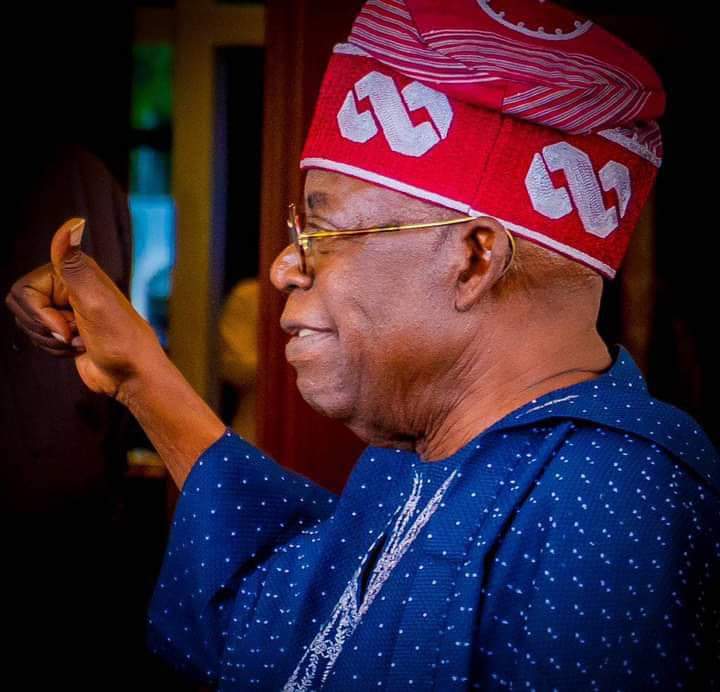
Controversy is currently trailing President Bola Ahmed Tinubu’s approval of the cancellation of debts owed by the Nigerian National Petroleum Company Limited (NNPC Ltd) to the Federation Account.
BIGPEN NIGERIA (https://bigpenngr.com) reports Tinubu wrote off from the Federation Account books approximately $1.42 billion (USD) and N5.57 trillion (NGN) in legacy NNPC debt following a reconciliation of records with regulators.
His directive covers outstanding liabilities accumulated up to 31 December 2024.
But the development is currently generating heated debate on social media, with some civil society organizations, describing it as an impeachable offence as it was unconstitutional and harmful to the finances of states and local governments.
A document prepared by the Nigerian Upstream Petroleum Regulatory Commission (NUPRC) presented at the October and November, 2025 meeting of the Federation Account Allocation Committee (FAAC), indicated that outstanding obligations previously reported to FAAC stood at $1.48 billion and N6.33 trillion.
These liabilities were linked to production sharing contracts, direct sale-direct purchase arrangements, joint venture operations and royalty receivables, according to the NUPRC report.
The document stated that the Presidency approved the removal of most of these balances from the Federation’s books following a reconciliation exercise conducted by a Stakeholder Alignment Committee. As a result, obligations amounting to $1.42 billion and N5.57 trillion were “nil off” as of December 31, 2024, with NUPRC confirming that appropriate accounting entries had been passed.
But reacting to the development, the group, Resource Centre for Human Rights and Civic Education (CHRICED), described the waiver as fiscally reckless, opaque, and unconstitutional. It said the debt waiver, which covers $1.42 billion and N5.57 trillion in outstanding obligations, was approved by the Federal Government without public scrutiny, legislative endorsement or an independent audit.
CHRICED’s Executive Director, Ibrahim Zikirullahi, in a statement in Abuja, warned that the decision set a dangerous precedent, particularly at a time Nigeria was grappling with severe revenue shortfalls and mounting fiscal pressure on sub-national governments even as he said it undermines transparency and accountability in the oil and gas sector.
According to him, the waiver effectively cancels about 96 per cent of NNPC’s dollar-denominated debts and 88 per cent of its naira obligations, depriving the Federation Account of funds meant for sharing among the federal, state and local governments.
Zikirullahi noted that the move comes amid alarming revenue underperformance by NUPRC, which it said was cumulatively behind its 2025 revenue target by over N5.65 trillion.
Also, the African Democratic Congress (ADC) in a statement by its interim National Publicity Secretary, Bolaji Abdullahi, expressed dismay over the executive fiat with which 96 per cent of the dollar-denominated debts and 88 per cent of the naira-denominated were cancelled without recourse to the parliament.
The party maintained that the action of the President violates Section 162 of the 1999 Constitution(as amended) and berated the National Assembly for its silence in the face of alleged “serious constitutional breach.’
“This action involved the presidential approval of the cancellation of legacy debts previously reported as outstanding, including those arising from production sharing contracts, domestic supply obligations, royalty receivables, and other legacy balances.
Meanwhile, the FAAC document indicates a reconciliation-based removal of balances, just as NNPC’s position suggests that the principal royalties had already been settled or were in the process of being paid, leaving only penalty-related amounts subject to waiver.
The Guardian, had in an Independent findings stated the Nigerian National Petroleum Company Limited (NNPCL) did not receive a wholesale write-off of royalty obligations owed to the Federation Account; rather, only a limited waiver of interest and penalties arising from delayed payments was approved.
The report showed that NNPCL’s core royalty liabilities were never forgiven. Instead, the waiver addressed accumulated interest and penalties triggered by late remittances at a time the company’s cash flow was severely constrained by petrol price controls.
Sources quoted by the newspaper said that the delay in royalty payments was largely linked to the cost of petrol under-recovery, which tied down NNPCL’s funds for the better part of 2023 and 2024.
During that period, the company absorbed the gap between the regulated pump price of petrol and its actual landing cost, limiting its ability to meet statutory obligations promptly.
“No royalty was written off. What was waived were interest and penalties resulting from late payment,” one source said, adding that last July, NNPC has consistently remitted royalties as they fall due.





Police Arrest Man Who Allegedly Swindled American Woman of $550k in Benin

NCDMB Unveils Online Compliance Certificate Portal

Delta Police Nab Murder Suspects in Coordinated Raids

Isoko South Chairman Presents N15.5bn Budget for 2026 Fiscal Year

Delta Police Arrest 34 for Alleged Internet Fraud

BREAKING: Tinubu Minister Resigns, Seeks Governorship

Group Warns Decentralizing Pipeline Security Could Reignite Conflicts in Niger Delta

Hilary Support Group Urges Okowa to Contest for Senate in 2027, Says He Will Return

NOW THAT AKPABIO HAS SILENCED CRITICS ON ANIOMA STATE CREATION, BY OKECHINYERE NWANKWOALA

Delta Police Prosecute 68 Traffic Offenders in Mobile Courts

2027: Obomovo Joins Isoko Federal Constituency Race, Unveils Lofty Development Agenda for Constituents

Tinubu at 74: Oborevwori Applauds Economic Reforms

My Defection to APC is Yielding Positive Results – Oborevwori

Controversies Trail Arrest of 213 Suspects as Delta Police, Activist Disagree Over Alleged Death of Suspect in Custody
