
OPINION
A ROBUST REBUTTAL TO BASIL OKON’S DIVISIVE CLAIM ON ANIOMA IDENTITY THEFT, BY CHIDI CHUKWUTEM

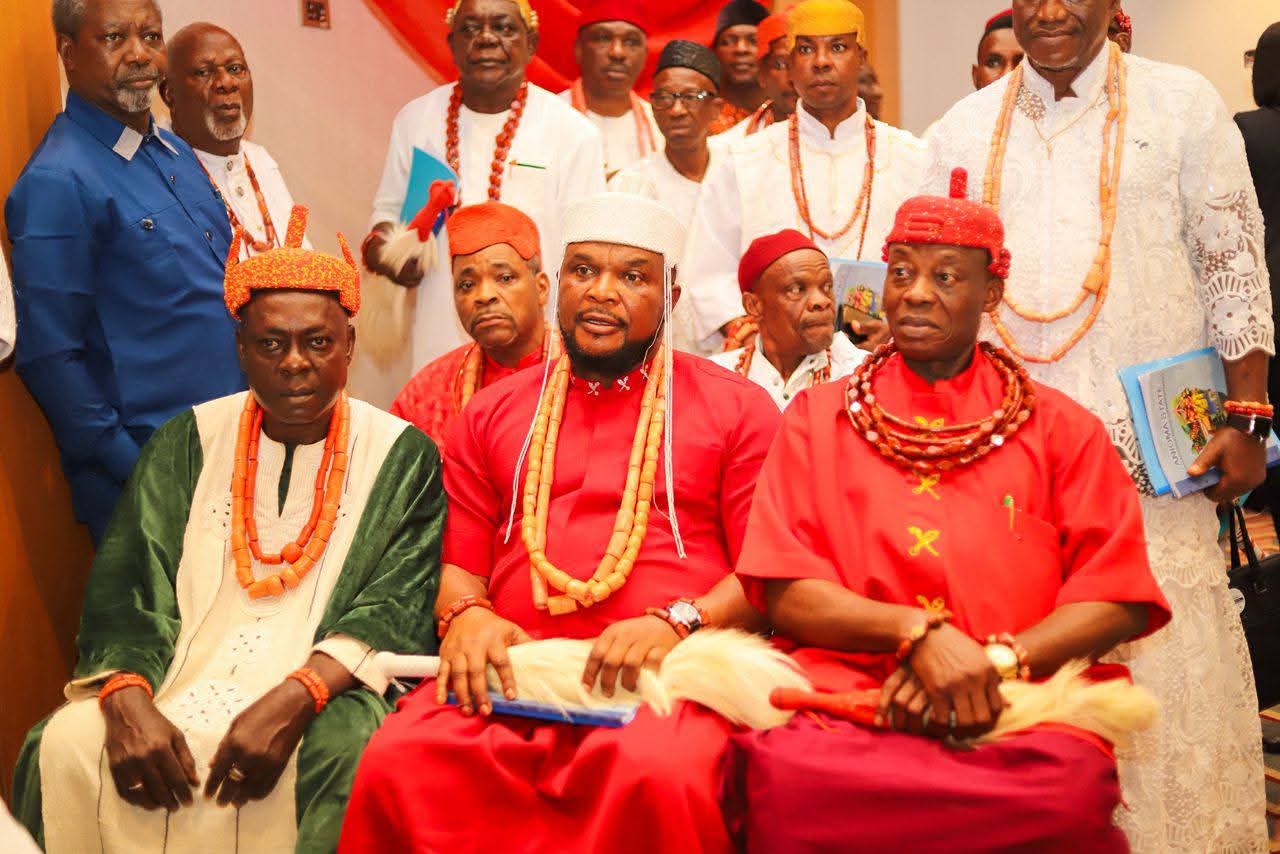
Basil Okoh’s article, “Senator Ned Nwoko and the Plan to Steal Anioma Identity,” is an exercise embedded in misinformation, ethnic baiting, and outdated separatist rhetoric that seeks to sow division among people with deep shared roots. It peddles falsehoods about historical, cultural, and political realities while ignoring overwhelming evidence of Anioma’s Igbo heritage and the broad support for its creation as a South East state. Okoh’s arguments crumble under scrutiny, relying on selective anecdotes, unsubstantiated accusations, and a fear-mongering narrative that misrepresents Senator Ned Nwoko’s efforts.
Debunking Okoh’s Core Arguments: Why They Fail to Hold Water
The “Poor Neighbors” Fallacy and Economic Disparity Claims
Okoh argues that Delta State receives more federal allocations than the five South East states combined, questioning why Anioma should “yoke” itself to “poor neighbors” in the South East. This is a shallow, allocation-centric view that ignores broader economic dynamics and development metrics. While Delta indeed benefits from oil derivations, its developmental achievements lag due to corruption and mismanagement, issues Okoh himself acknowledges but conveniently blames on the state government rather than systemic flaws. In contrast, South East states like Anambra and Imo punch above their weight in human development indices, boasting higher literacy rates, entrepreneurial ecosystems, and private-sector-driven growth despite lower allocations.
For instance, Anambra consistently ranks high in ease of doing business and innovation hubs, fueled by Igbo ingenuity rather than federal handouts. Joining the South East wouldn’t “subsume” Anioma into poverty; it would rather integrate it into a region known for resilience and economic self-sufficiency. Okoh’s Portugal-Spain analogy is absurd—languages and cultures evolve through shared histories, not rigid separations. Anioma’s Igbo dialects and customs align far more with the South East than with the multi-ethnic South-South, where oil wealth often masks underdevelopment.
Misrepresentation of Traditional Rulers’ Positions
Okoh claims widespread opposition from Anioma traditional rulers, citing the Dein of Agbor and Asagba of Asaba as examples. This is selective and outdated. While the Dein of Agbor expressed reservations in 2024 about regional grouping, broader endorsements tell a different story. In June 2025, South East traditional rulers unanimously backed Anioma State’s creation and its inclusion in the zone, viewing it as a step toward equity. The late Asagba of Asaba, Obi Chike Edozien, actively supported the initiative, hosting meetings with stakeholders like former President Obasanjo. Even groups within the Ndokwa nation, which Okoh cites as oppositional, are already shifting grounds as many are endorsing the bill for South East inclusion.
Okoh’s “shouting match” anecdote is anecdotal hearsay, not evidence of consensus. In reality, Izu Anioma—the apex socio-cultural body—has affirmed Anioma’s Igbo identity and supported the move, aligning with Ohanaeze Ndi Igbo. This isn’t imposition; it’s grassroots momentum from Anioma leaders themselves.
The Myth of No Consanguinity and the Niger River “Divide”
Okoh insists Anioma shares “no consanguinity” with Igbos across the Niger, portraying the river as an impenetrable barrier. This is historically inaccurate and ignores centuries of migration, trade, and intermarriage. Anioma (comprising Aniocha, Ndokwa, Ika, and Oshimili) is unequivocally part of the western Igbo subgroup, speaking Igbo dialects and sharing customs like kingship systems, festivals, and kinship structures.
Historians note that Anioma’s influences on Igboland are mutual. Igbo migrations shaped Anioma too, with roots tracing back to Nri and Aro proto-languages. The Niger wasn’t a “divide” but a highway for commerce; Aboh’s trading empire connected seamlessly to Owerri and Nnewi. Okoh’s claim of Agbor’s “superior structures” over Igboland is chauvinistic revisionism. Nsukka scholars he cites actually affirm shared origins, not superiority. Anioma isn’t a “lost tribe” but an integral Igbo extension, as affirmed by groups like Izu Anioma in 2024.
Baseless Accusations of “Igbo Land Grabs” and Nwoko’s “Betrayal”
Okoh accuses Igbos of “infernal land grabs” from Kogi to Ghana, invoking the Ahiara Declaration as evidence of “material lust.” This is inflammatory stereotyping, recycling anti-Igbo tropes from the Civil War era without context. The Ahiara Declaration was a wartime morale booster, not a blueprint for expansionism. Claims of Igbo ancestry in Ile-Ife or Japan are fringe theories, not representative. Senator Nwoko isn’t “enrolled” in a conspiracy; his bill enjoys support from over 90 senators and South East monarchs, framing Anioma as the sixth South East state to correct imbalances. Okoh’s attack on groups like Odu Oma Anioma as “sinister” ignores their focus on cultural preservation and autonomy. Nwoko’s Idumuje Ugboko roots does not make him a “traitor” but rather he’s advocating for equity, not theft.
The “Jara for Igboland” and Identity Theft Narrative
Okoh portrays Anioma as mere “make-up” or “jara” for the South East, erasing Anioma voices. This is patronizing; Senator Nwoko’s bill explicitly highlights Anioma’s oil wealth, human capital, and viability as a state. Prominent Anioma figures like Nwoko himself, Delta South Senator Joel-Onowakpo, Delta Central Senator Ede Dafinone and other stakeholders endorse Anioma state. It’s not “stealing identity”, Anioma is Igbo by language, culture, and self-identification, as reaffirmed by Izu Anioma.
Why Anioma Would Be Better Positioned in the South East: Real Benefits and Correcting Misconceptions
Positioning Anioma in the South East isn’t about subservience but empowerment through unity. Here’s why it’s advantageous, while dispelling Okoh’s wrong notions.
Political Equity and Representation
The South East’s five states mean only 15 senators vs. 18 elsewhere, skewing resource allocation. Anioma as the sixth state corrects this, giving Anioma three senators and more federal clout, far more than remaining a fragment in the South-South. This isn’t “yoking” to poverty; it’s amplifying Anioma’s voice in a zone where it shares ethnic bonds.
Cultural and Linguistic Unity
Anioma’s Igbo identity is undeniable—dialects, festivals, and traditions mirror the South East’s. Joining fosters preservation, with Igbo integrated into schools and governance. As one Anioma parent noted, it’s about pride for future generations, not dilution. Okoh’s “no common grounds” ignores shared history; the Niger unites, not divides, as seen in migrations and trade.
Economic and Developmental Boost
Anioma’s oil resources would complement the South East’s entrepreneurial ecosystem, sparking real estate booms (e.g., beyond Asaba) and infrastructure. South East states excel in non-oil sectors; Anioma gains from this synergy, escaping Delta’s corruption. Anioma isn’t “jara”—it’s a powerhouse addition, enhancing regional GDP.
Social Cohesion and Security
Shared Igbo identity reduces marginalization in the South-South, where Anioma often feels alienated (e.g., from non-Igbo groups like Urhobo). In the South East, it strengthens kinship, aiding conflict resolution and development.
Broad Support and Viability
Endorsed by Ohanaeze, senators, and rulers, the bill passed public hearings. It’s not “hostile takeover” but self-determination.
On a final note, Okoh’s article fuels division where unity is needed. Anioma in the South East honors its Igbo essence, ensures equity, and unlocks prosperity. Anioma people: Embrace your heritage—it’s a source of strength, not subjugation. Senator Nwoko’s vision builds bridges; let’s cross them together for a fairer Nigeria.


Ex-Delta First Lady Roli Uduaghan Joins Oborevwori, Okowa to Bid Otumara Emotional Farewell in Warri

Malami, Ogboru, Gbadebo Rhodes-Vivour Lead as ADC Unleashes Political Heavyweights for 28 Governorship Slots ahead of 2027

Atiku to Tinubu: Release Your FBI Files, I Have Nothing to Hide

Abducted Delta Woman Rescued as Police Arrest 8 Suspects in Abraka

NYSC Sets September 8 for Physical Verification of Foreign-Trained Graduates

Your Sacrifice Matters — VeryDarkMan Apologises to Troops Over NBA Conference Outburst

Okowa’s Senate Bid: Why Experience, Party Structures May Give Him an Edge Over Ochei in Delta North

Defence Minister Musa Blasts El-Rufai, Accuses Ex-Governor of Dividing Kaduna

2027: Isoko North LGA’s City Boys Movement Meet Ogorugba, Declares Support for Tinubu, Oborevwori’s Re-election Bid

Delta Police Arrest 6 Suspects, Dismantle Illicit Drugs Shop

Why DSS DG Draws the Line: ‘No More Arrests Over Civil Disputes’

Tinubu Not Facing Criminal Case in US, Presidency Clarifies FOIA Litigation

PenCom Raises Alarm as PFAs Sink N17.1trn Pension Funds Into FG Securities

Court Remands Man for Retaining N1.09b ‘Proceeds of Criminal Conduct’ in Abuja
