FEATURES
Return to Fuel Subsidy Will Reverse Nigeria’s Economic Gains — Info Minister

The Minister of Information and National Orientation, Mohammed Idris, has warned that any attempt to restore petrol subsidy could undermine Nigeria’s fiscal position, weaken investor confidence and reverse gains recorded under the economic reforms of the President Bola Ahmed Tinubu administration.
Idris gave the warning in an opinion article published in national newspapers on Monday, August 24, 2026, titled “Restoring Fuel Subsidy Will Reverse Nigeria’s Economic Gains.”
The minister said reintroducing the subsidy would recreate the fiscal pressures, market distortions, fuel scarcity and arbitrage opportunities that made the former regime unsustainable.
“Restoring subsidy would almost instantly return Nigeria to the economic conditions of 2022,” Idris said, arguing that the country could not afford to reverse reforms aimed at strengthening its fiscal position.
He said advocates of subsidy restoration must also consider the opportunity cost of diverting public resources back to petrol subsidies.
“Do we restore petrol subsidy, or sustain student loans and consumer credit for young Nigerians? Do we restore subsidy, or preserve higher allocations to states and local governments? Do we restore subsidy, or continue funding roads, rail, power and security?” he asked.
Idris recalled that Nigeria spent about $10 billion on fuel subsidies in 2022, despite declining oil production and weak government revenues. He said the World Bank had warned at the time that the subsidy was diverting resources that could otherwise have been channelled into education, healthcare, infrastructure and social protection.
According to the minister, figures contained in the Federal Government’s Nigeria’s Reform Scorecard: The Benefits, Costs and Harms Prevented showed that subsidy savings released ₦15.8 trillion in resources to the Federation between June 2023 and December 2025.
He said the amount comprised approximately ₦5.43 trillion accruing to the Federal Government, ₦6.52 trillion to states and ₦3.88 trillion to local governments.
Idris clarified that the ₦15.8 trillion did not represent a separate pool of cash but resources released into the wider fiscal system of the Federation following the removal of the petrol subsidy.
He said the additional fiscal space had strengthened the ability of states and local governments to meet salary and pension obligations while funding essential services.
At the federal level, he said the savings had also supported investments in infrastructure, security, agriculture and human capital development.
The minister further disclosed that the Reform Scorecard recorded about ₦6.47 trillion in additional spending on strategic infrastructure, while more than ₦400 billion had been committed to major social investment initiatives, including the Nigerian Education Loan Fund, MOFI Real Estate Investment Fund, MREIF and CREDICORP.
He added that social transfers had reached more than 10 million Nigerian households.
Idris, however, noted that the government was still shouldering an electricity subsidy estimated at ₦3.14 trillion between June 2023 and December 2025, warning that restoring petrol subsidy would place further pressure on public finances.
He said the organised private sector and other stakeholders in the economy had also cautioned against reversing the reforms.
“Nigeria cannot build tomorrow’s economy by returning to yesterday’s unsustainable subsidy regime. We have moved beyond that model,” the minister said.
Idris urged Nigerians to assess the reforms from the perspective of long-term economic stability, arguing that sustaining the changes was necessary to build a stronger, more productive and financially resilient economy.



Police Arrest Sapele School Bus Driver Over Alleged Kidnap, Rape of 14-Year-Old Student

EFCC Opens 2026 Recruitment Portal: Positions, Requirements, How to Apply

NDLEA Arrests US-Based Grandma With 9.45kg Loud, South African Woman With 36.65kg Cocaine

Ruth Kadiri Warns Couples Against Pressure of Lavish Weddings

Grant Ecosystem Begs Tinubu to Intervene, Investigate, Release Unpaid Foreign Grants

Okowa Woos Ndokwa People, Says Unity Will Give APC Massive Votes In 2027

Delta Police Rescue Kidnap Victim, Arrest Eight Suspects, Recover Firearms

Why Some People Around Tinubu Don’t Want Fashola in His Government – Akande

2027: Buhari’s Government Humiliated Tinubu, Akande Tells Atiku to Sacrifice

Blackout: Police Storm BEDC HQ in Benin, Arrest NUEE Officials Over Strike
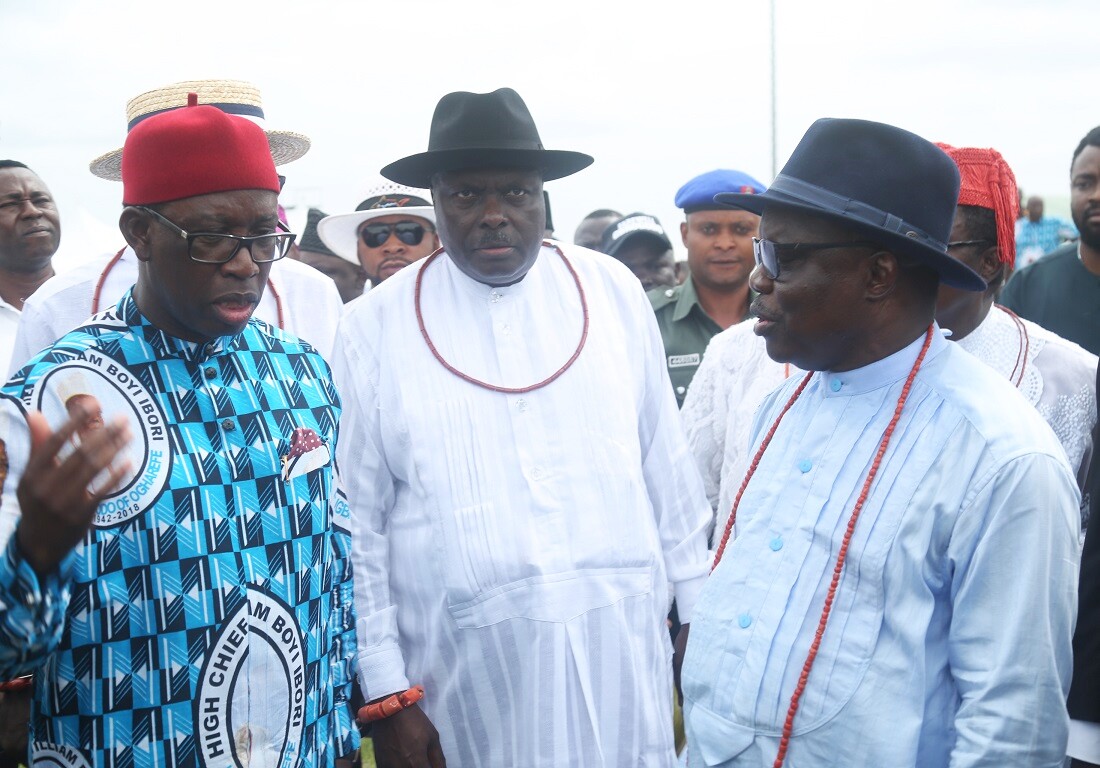
NUJ Urges Delta Govt To Sustain Uduaghan’s Legacies As Oborevwori, Okowa Visit Widow

2027: ‘Rig And Die’ — Omo-Agege Warns Against Vote Manipulation In Delta

Delta Govt Approves N4bn Empowerment For 15,000 Indigents

Army Deploys 600 Soldiers to India for Jungle, Mountain Warfare Training

2027: Court Fixes Nov. 24 For Judgment On Suit Challenging Omo-Agege’s NDC Ticket