
FEATURED
Eyes on Badenoch as FG Orders Deactivation of Passports of Citizens Who Renounce Nigerian Nationality

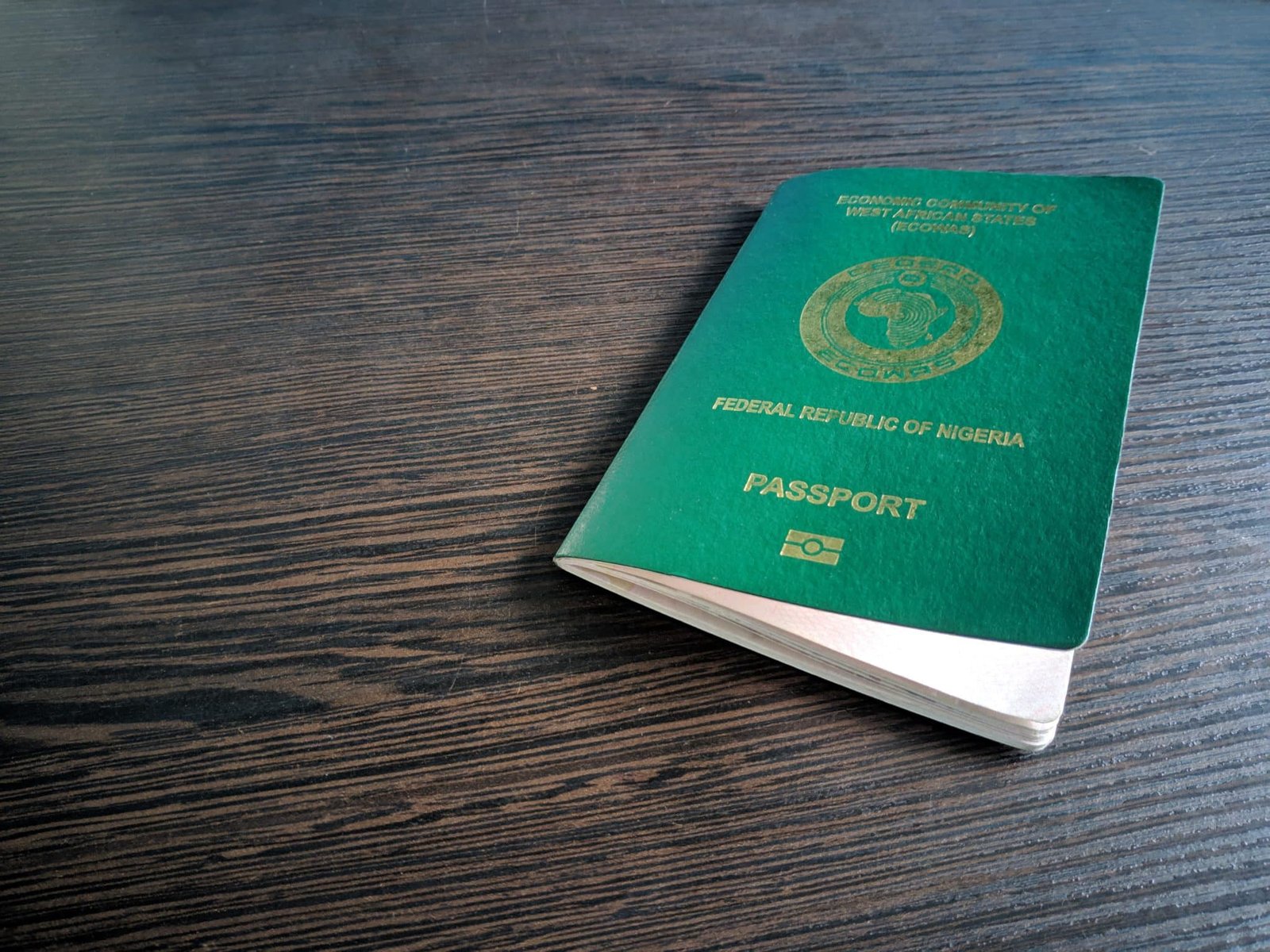
The Honourable Minister of Interior, Dr. Olubunmi Tunji-Ojo, has directed the Nigeria Immigration Service to immediately withdraw and deactivate passports of Nigerians who have renounced their citizenship but still carry the documents.
BIGPEN NIGERIA (https://bigpenngr.com) reports that the directive applies to Nigerians whose requests to renounce their citizenship have been formally approved by the President.
It could be recalled that Kemi Badenoch, a UK Conservative Party leader and of Nigerian descent, had some time ago publicly denounced Nigeria, saying that she no longer identifies as Nigerian and has not renewed her passport since the early 2000s.
It was not clear if Badenoch had formally made any declaration in the prescribed manner for the renunciation since she made the controversial statement, for which she was lambasted by Nigeria’s Vice President, Shettima, who said she had “denigrated” the country.
Special Adviser Media to the Minister of Interior, Alao Babatunde, explained that the power to revoke citizenship resides with the Ministry of Interior, which is responsible for citizenship integrity, based on the provisions of subsections (1) and (2) of Section 29 of the 1999 Constitution (as amended). The section states:
“Any citizen of Nigeria of full age who wishes to renounce his Nigerian citizenship shall make a declaration in the prescribed manner for the renunciation. The President shall cause the declaration made under subsection (1) of this section to be registered, and upon such registration, the person who made the declaration shall cease to be a citizen of Nigeria.”
Tunji-Ojo stated that once a person ceases to be a citizen of Nigeria, he or she can no longer carry any sovereign documents of Nigeria, including the nation’s passport.
The Minister noted that this move is consistent with the passport and visa reforms the Ministry has undertaken within the past few years.
“We will continue to strengthen systems that secure Nigeria’s borders, prevent identity fraud, preserve the sanctity of Nigerian citizenship, and facilitate legitimate travel while preventing unauthorized or ineligible access,” he said


Eyes on Badenoch as FG Orders Deactivation of Passports of Citizens Who Renounce Nigerian Nationality

VIDEO: Navy Detains Personnel Over Clash with Soldiers During Tinubu’s Visit to Bayelsa

Delta Council Chairman Abducted as Gunmen Invade Hotel, Shoot Security Aides

Benisheikh: Army Debunks Claim of 17 Soldiers Killed; Confirms 4 Deaths

Delta: Drug Suspect Arrested as Police Intercept 21 Bags of Indian Hemp

Two Suspects Shot Dead as Delta Police, Military Engage Kidnappers in Gun Battle, Rescue Victims

Amid Report of Killing of ‘Army General’, DHQ Narrates How Troops Repelled Terrorist Attack in Benisheikh

FG Inaugurates Technical Committee to Review $200bn Proposed Integrated Gas, Powwr and Rail Projects

N5,000 Note Featuring President Tinubu’s Image Fake – CBN

Delta Highlights Maritime Potential to Attract Investors at Abuja Blue Economy Summit

EFCC Busts Yahoo Academy in Abuja, Nabs 31 Suspects

Alleged N3.6Bn Fraud: EFCC Appeals Acquittal of Former NDDC Director, Omatsuli, Three Others

‘We Run Decentralized Pipeline Security Operations’, Says Tantita’s MD Pondi

Pipeline Security Has Boosted Oil Production, Says NNPCL GCEO Ojulari
