FEATURED
ADC Accuses Tinubu Gov. of Turning N33.75bn Cash Transfer Scheme Into ‘Organised Racket’


The African Democratic Congress (ADC) has accused the administration of President Bola Tinubu of mismanaging its social intervention programmes, following an Auditor-General’s report which found that N33.75 billion in cash transfers to 3.29 million households could not be matched to verified beneficiaries.
The opposition party described the finding as deeply troubling, particularly as the Federal Government has announced a fresh $1 billion social protection programme despite unresolved questions surrounding previous interventions.
In a statement issued on Monday by its National Publicity Secretary, Mallam Bolaji Abdullahi, the ADC linked the latest findings to earlier controversies surrounding the National Social Investment Programme.
“Let us call this what it is. Not mismanagement. Not an oversight. It is an organised racket,” Abdullahi said, alleging that the programme had been used to exploit vulnerable Nigerians.
The party also recalled previous controversies involving the social investment programme, including allegations that N585 million was transferred to a private account linked to former Humanitarian Affairs Minister Betta Edu, while another N44 billion was allegedly missing from the National Social Investment Programme Agency (NSIPA) under Halima Shehu.
The ADC further questioned the decision to launch the $1 billion Renewed Hope Social Protection Programme, arguing that adequate safeguards must first be put in place to prevent a repeat of previous failures.

The party blamed the removal of fuel subsidy and the naira devaluation for worsening economic hardship and increasing Nigerians’ reliance on government assistance.
It called for a comprehensive investigation into the cash transfer scheme and demanded the publication of the beneficiary register, REMITA payment records and the identities of officials allegedly responsible for obstructing the Auditor-General’s work.
The ADC said Nigerians were already facing rising fuel, transportation and food costs, arguing that a programme designed to cushion the impact of the hardship should not itself become a source of controversy.



Delta Police Rescue Kidnap Victim, Arrest Eight Suspects, Recover Firearms

Why Some People Around Tinubu Don’t Want Fashola in His Government – Akande

2027: Buhari’s Government Humiliated Tinubu, Akande Tells Atiku to Sacrifice

Blackout: Police Storm BEDC HQ in Benin, Arrest NUEE Officials Over Strike
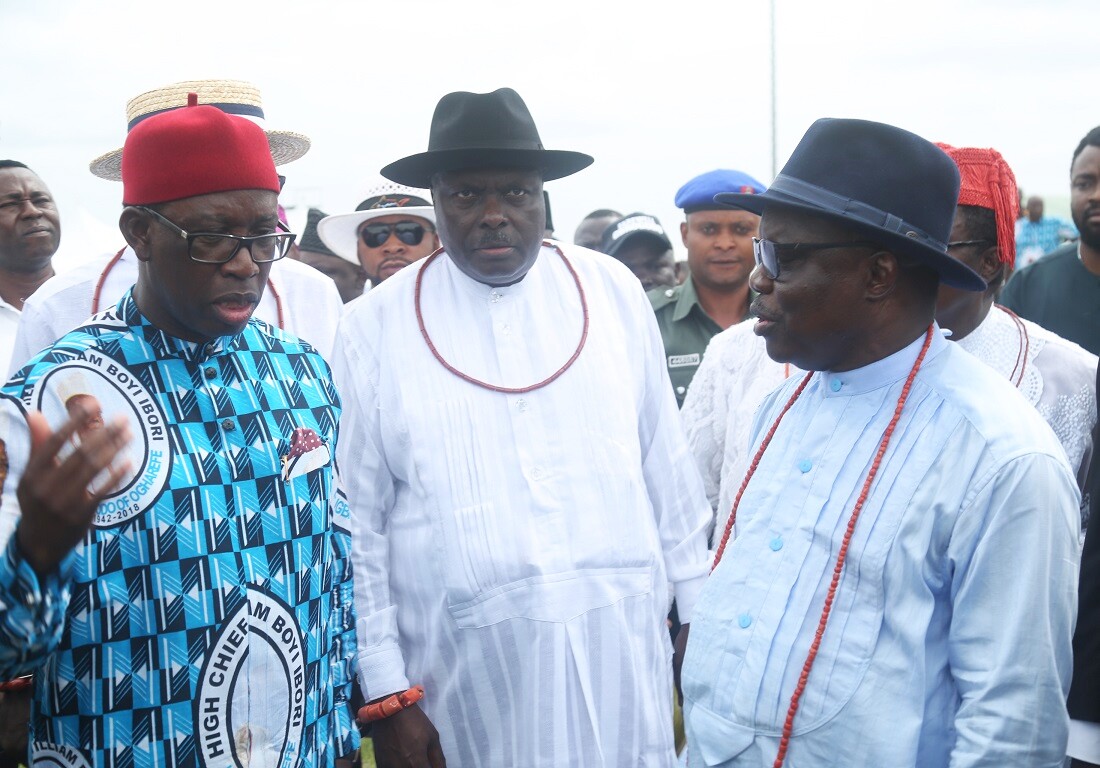
NUJ Urges Delta Govt To Sustain Uduaghan’s Legacies As Oborevwori, Okowa Visit Widow

2027: ‘Rig And Die’ — Omo-Agege Warns Against Vote Manipulation In Delta

Delta Govt Approves N4bn Empowerment For 15,000 Indigents

Army Deploys 600 Soldiers to India for Jungle, Mountain Warfare Training

2027: Court Fixes Nov. 24 For Judgment On Suit Challenging Omo-Agege’s NDC Ticket

11 Years After, Grant Ecosystem Group Writes Tinubu Over Outstanding Grant Payments

Okowa: Delta’s Mass Defection To APC Must Reflect In 2027 Votes

2027: Take Tinubu’s Reforms To Market Women, Youths — Oborevwori Tells Delta APC

You Can’t Retire The Man Who Made You Senator – Group Blasts Dafinone Over Wizards Comment

Veteran Nollywood Actor Francis Duru Is Dead At 57

Ebola: FG Warns 15 States to Fast-Track Preparedness as Hospitals Ready Isolation Beds