
FEATURES
Ebola Outpaces Global Response as DRC Death Toll Nears 3,000, UN Warns

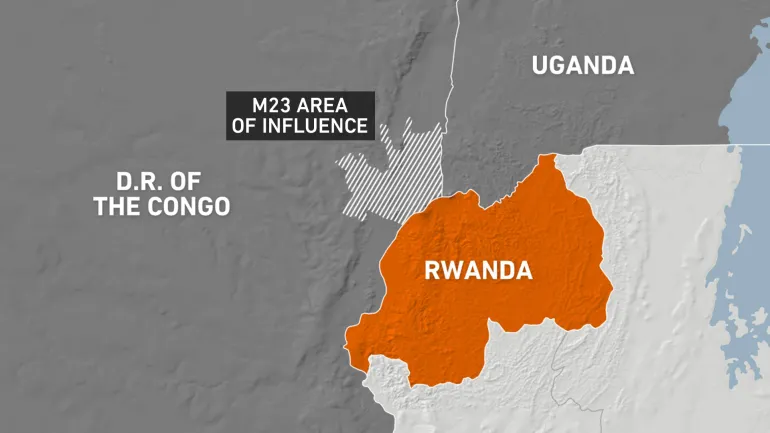
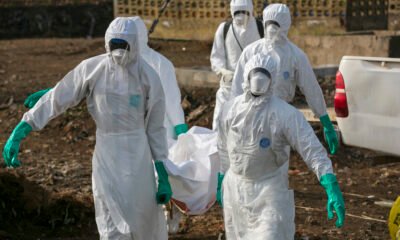
The United Nations has warned that the global response to theEbola outbreak in the Democratic Republic of the Congo (DRC) must urgently move faster than the virus, as the death toll approaches 3,000.
UN Emergency Relief Coordinator, Tom Fletcher, raised the alarm over the rapidly expanding outbreak, saying containment efforts were struggling to keep pace despite a major scale-up by humanitarian agencies and Congolese authorities.
“The response is growing and has been scaled up, but the virus is moving faster,” Fletcher said.
“And unless we scale up urgently, more lives will be lost and the threat will grow.”
DRC authorities had reported more than 6,100 confirmed Ebola cases and 2,950 deaths by Monday, with more than 5,000 infections recorded in Ituri Province alone.
The figures have heightened concerns over the speed of the outbreak, which was declared in the DRC on May 15.

Ebola is transmitted through direct contact with the blood or bodily fluids of an infected person, as well as contaminated materials. Early detection, isolation, treatment and contact tracing are therefore considered critical to breaking chains of transmission.
Fletcher said defeating the outbreak would require sustained political commitment, unrestricted humanitarian access and a significant increase in international funding.
“We have the experience, the tools and extraordinary people risking their lives to stop this epidemic. What we need now is political will, access and resources,” he said.
The UN official urged governments to ensure humanitarian workers could reach affected communities, particularly in areas where insecurity, poor infrastructure and difficult terrain are complicating response operations.
He also appealed to the international community to keep Ebola high on the global health agenda to prevent further spread across borders.
A funding gap of about $1.1 billion is currently limiting humanitarian agencies’ ability to expand disease surveillance, treatment, community mobilisation and cross-border preparedness.
Fletcher said his agency had already allocated more than $57 million from the UN Central Emergency Response Fund to support response and preparedness operations in the DRC and neighbouring countries.
Meanwhile, the World Health Organisation recently declared Uganda’s latest Ebola outbreak over after authorities successfully deployed rapid detection, contact tracing, isolation, clinical care, infection prevention and enhanced surveillance.
“We have beaten Ebola before, and we can do it again,” Fletcher said.
The UN International Organization for Migration has also conducted nearly 23 million health screenings in the DRC and neighbouring countries.
UN spokesperson Stéphane Dujarric said the screenings were helping authorities monitor population movements, identify potential cases and reduce the risk of cross-border transmission.
The UN warned that although the tools needed to contain Ebola already exist, delayed funding, restricted humanitarian access and poor coordination could allow the virus to continue moving faster than efforts to stop it.





Isoko South Council Distributes Desks To Public Primary Schools In Delta

Okpara Inland Crisis: Delta CP Visits Community Over Killing Of Don Cross, Orders Investigation

2027: Wike Warns APC Campaign Council, Says Don’t Claim Victory If You Fail To Deliver Your State For Tinubu

Yuleidy Ixcotoyac: 15-Year-Old Girl Wakes Up In Coffin 8 Hours After Father Declared Her Dead

Court Fines Odumodublvck N125,000 Over Adjournment Request in Assault Suit

Tinubu Transmits National School of Government Bill 2026 to Senate, Seeks Repeal of ASCON Act

Plateau Attacks: Three Killed, Two Injured as Gunmen Rustle 114 Cattle

Dispense Justice Without Fear Or Favour, Oborevwori Tells Delta Judges

El-Rufai, Associates Earmarked $600,000 to Bribe EFCC Officials – DSS Witness

Okubor to Chair 2026 DOPF Conference, Lecture Series in Asaba

2027 Gov’ship: INEC Explains Why Some Candidates Were Omitted From Final List

UN Reviews Kenya Over Discriminatory Family Laws As Report Shows Third Of Widows Face Eviction

Payroll Security: Deel Local Payroll CEO Says Single Data Source Will Stop Fraud, Cybercrime

NAFDAC Busts Fake Drinks Factory in Lagos, Arrests Two Suspects

Isoko North Chairman Ogorugba Flags Off Ward Empowerment, Gives N10m To 200 Beneficiaries