
FEATURES
INEC Chairman Demands Financial Autonomy, Says Budget Dependence Undermines 2027 Elections

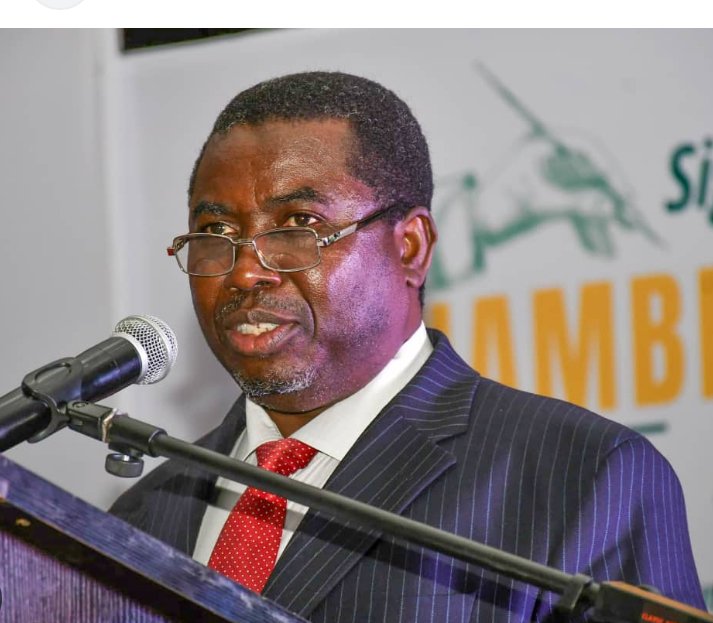
The Chairman of the Independent National Electoral Commission, INEC, Prof. Joash Amupitan, has said the Commission cannot be truly independent without financial autonomy, warning that reliance on the normal budgetary process weakens its operations and could jeopardise efforts to deliver free, fair and credible elections in 2027.
Amupitan spoke on Thursday in Abuja while delivering the keynote address at the public presentation of _‘Shadows: Protest Essays on Africa’s Most Consequential Country (1999–2023)’_, authored by THISDAY Managing Director, Mr. Eniola Bello. The event was held at the Shehu Musa Yar’Adua Centre.
He argued that while INEC remains central to the electoral process, the responsibility for credible elections extends beyond the Commission to political parties, security agencies, the media, civil society organisations and the electorate.
“Can INEC truly be independent without financial autonomy? If we are serious about strengthening our institutions and conducting free, fair and credible elections, then financial autonomy is essential,” Amupitan declared.
The INEC Chairman noted that although the Constitution places the Commission’s funding on the Consolidated Revenue Fund, practical experience shows the arrangement does not guarantee genuine independence.
“The Constitution places INEC’s funding on the Consolidated Revenue Fund, and many believe that is sufficient. However, experience has shown that as long as INEC remains subject to the normal appropriation process and depends on budgetary approvals by other institutions, genuine financial independence remains difficult,” he said.
Amupitan said INEC’s mandate goes beyond conducting elections to include registering voters and political parties, monitoring party activities, and maintaining the national voter register.
“For these reasons, there is a strong case for giving INEC greater operational and financial autonomy to improve efficiency and strengthen public confidence in the electoral process,” he added.
He stressed that strengthening Nigeria’s democracy requires collective responsibility.
“When we talk about strengthening institutions, there are several institutions involved in the conduct of elections. Most times, people think only of INEC, but beyond INEC, we also have the media, the security agencies, civil society organisations and, indeed, the Nigerian people. The health of our democracy is reflected in the strength of this wider institutional framework,” he said.
Citing the Inter-Parliamentary Council, Amupitan said building democratic institutions is a shared responsibility of government, voters and organised political forces.
“Therefore, if we truly want the 2027 elections to be free, fair, credible and peaceful, all these institutions must work together,” he said.
On the appointment of INEC leadership, he said the Constitution provides safeguards by requiring the President to appoint the Chairman and National Commissioners in consultation with the Council of State, subject to Senate confirmation.
He, however, noted that the challenge often lies in implementation.
“Sometimes, however, the issue is not the law itself but those who operate it,” he said, referencing former Chief Justice of Nigeria, Justice Aloma Mukhtar, who argued that Nigeria’s challenge is less about replacing the Constitution than upholding its spirit and the Electoral Act.
Amupitan described Bello’s two-volume publication as a significant contribution to Nigeria’s democratic discourse, noting that its over 900 pages chronicle the country’s political evolution from 1999 to 2023 and offer lessons as preparations for 2027 gather momentum.
“Every election teaches us lessons, and every electoral cycle provides an opportunity to improve on the last,” he said.





Alleged N69.15m Fraud: Witness Tells Court How Blessing CEO Sold Property She Didn’t Own

Court Dismisses Aisha Achimugu’s N10bn Rights Suit Against EFCC

EFCC Arraigns ALSCON, Director Zavyalov Dmitry Over Alleged N582.4m Money Laundering in Abuja

APC Tells Members to Respect Atiku Despite Criticism Over Calling Tinubu ‘Bola’

INEC Final List: Omo-Agege Makes List For Delta Central, Dafinone in Panic

CJN Swears In 68 New Senior Advocates of Nigeria for 2026/2027 Legal Year

Bolt Moves to Calm Tensions as AUATON Threatens Drivers’ Shutdown

Okowa Restates Commitment to Girl-Child Education, Says Every Girl Deserves Opportunity

Fresh Oil Discovery Sparks Tension in Delta Community as Family Rejects Lease Deal

Delta Police Arrest 26-Year-Old Armed Robbery Suspect in Asaba, Recover AK-47, Guns

EFCC Recovers $104,950 for US-Based Businesswoman in Disputed China Truck Deal

Happy Birthday To My Wife, Mena Ogbodu — A Heartfelt Note From Bigpen

PVC Collection: Obidient Movement Alleges Vote Buying, Warns Deltans Against Releasing PVC, Bank Details

Delta North Senate 2027: Why Okowa Has Edge Over Ochei in Anioma Battle

2027: Ibori Declares Massive Support For Tinubu, Oborevwori as Delta Governor Orders Overhaul of Dilapidated Schools