OPINION
THE FAULT IS NOT IN OUR ANTHEM, BUT POOR LEADERSHIP!, BY TONY EKE


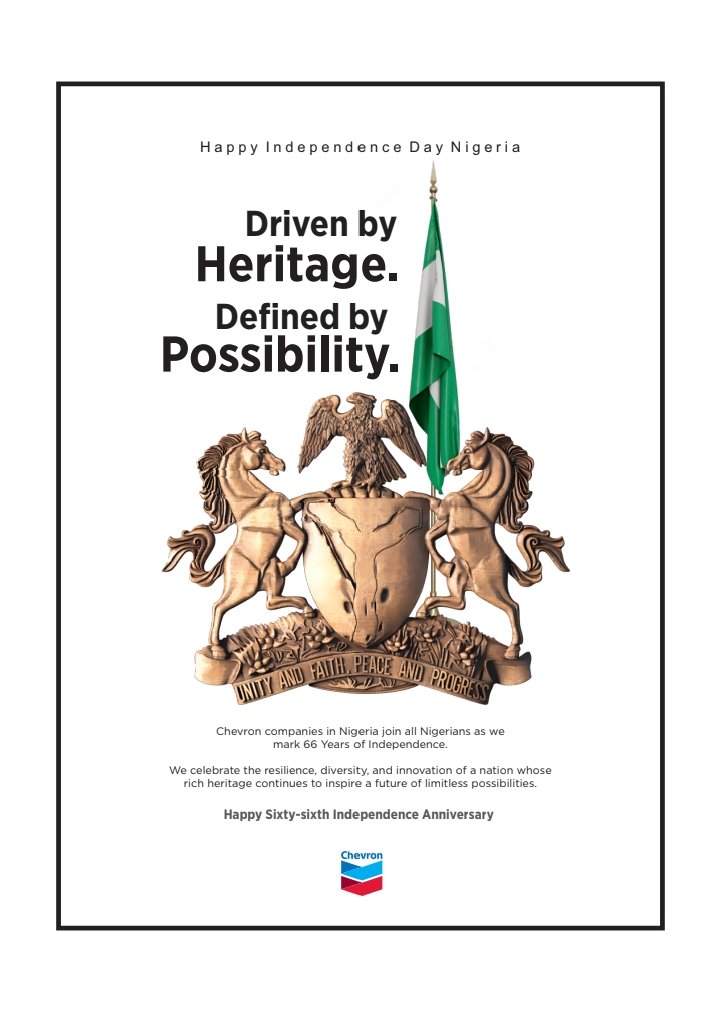
In the past one year of the 10th Senate, no other bill was swiftly passed like the one that reverted Nigeria to the old National Anthem after presidential assent. Without inputs from a broad spectrum of the populace, the Senate resurrected the old anthem which was consigned to the dustbin of history forty six years ago. The reason adduced by the Senate leader, Senator Opeyemi Bamidele and his colleagues, is that the substituted National Anthem does not inspire a large dose of patriotism in Nigerians unlike the first one which gained popularity because it sought to bond the people despite their ethnocultural diversity. There’s no previous research that validated such a conclusion, however.
While an interrogation of the issue shows that the Senators were covertly motivated by the Presidency rather than their collective conviction, not many Nigerians shared their viewpoint that making a change to the national anthem would elicit greater patriotism and loyalty from the citizens. On a comparative basis, the one we were using until now is equally good like the first anthem as both exhort Nigerians to love their country and make necessary sacrifices for its survival. While the displaced version opens with ‘Arise O Compatriots’ as a clarion call to millions of citizens to seek the best for their fatherland, the newly adopted ‘Nigeria We Hail Thee’ seeks to promote ‘brotherhood’ in the fourth stanza in contrast with the preceding stanza which acknowledges that ‘though tribes and tongue may differ’.
As far as majority of people are concerned, changing the anthem should not preoccupy the Senate’s agenda at this point in time. There are numerous pressing problems it should prioritise and tackle through legislation. Even if Nigeria decides to officialise an annual adoption of a new anthem, such a step cannot alter even the minutest encumbrance to national development. We are well aware that the progressive retardation of Nigeria is not because our national anthem is bereft of philosophical depth nor is it due to its occasional poor rendition by impoverished hungry citizens at public ceremonies.
Yes, a national anthem is an indispensable possession of a country, and on most fleeting occasions of its musical performance, it imbues the citizens with patriotic fervor, creates a sense of national unity, and bolsters pride of belongingness to a defined territorial space. But it simply ends at that level. If our collective experience is anything to go by, neither of the two anthems has had profound impact on the governance system of Nigeria since its attainment of nationhood.
Thus, the growing criticism with subdued rejection of the imposed anthem is not only justified but has also provoked the refusal of many Nigerians to recite the old anthem. While the former Minister of Education, Dr. Oby Ezekwesili and Activist, Aisha Yesufu, are driving the resistance, countless citizens without visible identities also belong to the emerging movement. But they cannot be reprimanded in whatever form since it’s within their fundamental rights to accept or reject a government policy they deem as unacceptable for obvious reasons. After all, no aspect of the 1999 Constitution, as amended, compels a citizen to accept an ideology or a concept that’s inconsistent with his belief system or worldview.
Somehow, the Senators’ action partly portrayed the seeming proclivity of the political elites for muddling up issues when they broach less desirable options to problems that require well-thought-out solutions. It suggests that our distinguished lawmakers may not be so conversant with the dominant ills that our society is enmeshed in.

Even if the pro-reversion minority has had its way, It’s pertinent to ask two questions at this juncture: To what extent did brotherhood in the first national anthem unite Nigerians between 1960 and 1978? If the so-called brotherhood was not a facade, why was the country plagued by ethnic animosity, tribal bigotry, political intolerance, electoral malpractice, bribery and corruption, and the putative Northern hegemony, all of which culminated in the outbreak of the Civil War?
Assuming but without conceding that a number of countries may want to replace their anthems for reasons they deem so desirable, the Senate’s action is denuded of cogency. It’s specious, purely sentimental and does not capture the endless demands for practical solutions to our existential problems. Unlike bills and resolutions that the Senate enacts and amends at will, our anthem ought not to be changed perfunctorily since they are products of the socio-cultural and historical milieu which underscore the differences in their lyrical and thematic perspectives.
For instance, the inclusion of brotherhood in the first anthem Nigeria’s manifest Nigeria’s heterogeneity which is evident in the polar divides of the North and South since 1960. It was therefore compelling for the departing colonialists to create a word that could instil unity and possibly tame centrifugal tendency from rearing its head. Years later, the adoption of the second anthem in 1978 reflected the authoritarian disposition of the military administration, headed by the then Gen. Olusegun Obasanjo, which in its avowal of unity enforcement in the first post-Civil War decade, wanted to stave off the causative circumstances of the detestable Nigerian fratricidal war.
If they were really serious the Senators should have visited their respective districts and tell Nigerians how the anthem replacement will make them better citizens and also reform the mindset of political leaders to address unemployment, hunger, and food insecurity, devalued naira and runaway inflation, mass poverty and uncontrolled population growth. Without doubt, our compatriots would not key into the initiative if changing the national anthem cannot rescue Nigeria from the terminal virus of poor leadership, rid it of endemic corruption and electoral brigandage, and inspire real unity to the extent that the pretentious belief in ‘One Nigeria’ will be a thing of the past.
What Nigeria needs at the moment is good governance which a combination of good legislation and policies initiated by the Executive arm could birth, all things being equal. The Senate should take a holistic view of Nigeria’s dysfunctional state and introduce a comprehensive bill that will restructure the country to guarantee fiscal federalism. A sensitisation of the masses to their rights, duties, and obligations will enable citizens to hold those entrusted with the country’s political destiny accountable.
Building a country does not require periodic replacement of its national anthem but a conscious articulation of a broad-based agenda and renewal of national vision to accord with the reality of the times. Our growth retardation on all fronts can be addressed by taking the right steps to alter our prolonged plaintive narrative. There’s an analogy between an immortal line in Shakespeare’s Julius Caesar and
our peculiar pathetic situation because the protracted woes of our national life are not rooted in the Nigerian anthem but in poor leadership which emerges seasonally from amongst us.
TONY EKE, a journalist, is based in Asaba, Delta State capital.


Okowa Restates Commitment to Girl-Child Education, Says Every Girl Deserves Opportunity

Fresh Oil Discovery Sparks Tension in Delta Community as Family Rejects Lease Deal

Delta Police Arrest 26-Year-Old Armed Robbery Suspect in Asaba, Recover AK-47, Guns

EFCC Recovers $104,950 for US-Based Businesswoman in Disputed China Truck Deal

Happy Birthday To My Wife, Mena Ogbodu — A Heartfelt Note From Bigpen

PVC Collection: Obidient Movement Alleges Vote Buying, Warns Deltans Against Releasing PVC, Bank Details

Delta North Senate 2027: Why Okowa Has Edge Over Ochei in Anioma Battle

2027: Ibori Declares Massive Support For Tinubu, Oborevwori as Delta Governor Orders Overhaul of Dilapidated Schools

30-Day Petrol Relief: Tinubu Group Fires Back at Atiku, Defends NNPC’s Plan
Police Confirm Abduction of 3 Cocoa Research Institute Workers in Oyo

2027: Omo-Agege Fires Aguariavwodo, Says He Could Not Light His Own House

Anambra Building Collapse: Mother, 14-Year-Old Daughter Crushed to Death

Why Some Nigerian Graduates Are Rejecting NYSC in 2026: Security, N77k Allowance, No Jobs

Isoko North Chairman Ogorugba Pledges Support for LGAs Information Officers of NUJ, NUIS, Youth Devt

Ondo NAF Plane Crash: CAS Leads Recovery Efforts in Igbokoda, Assures Probe